

Discover how the Persian Rice Cooker for Tahdig compares to the traditional stovetop method in delivering perfect golden crust and fluffy rice every time.
As an Amazon Associate I earn from qualifying purchases.
If you’re a cooking enthusiast looking for that perfect golden crust at the bottom of your rice, you’ve likely come across the term Persian Rice Cooker for Tahdig and wondered how it compares to the old-fashioned stovetop approach. The short answer is: it’s all about consistency, convenience, and flavor. In this article, brought to you on behalf of Expert Reviews Best Rice Cooker, we’ll delve into the nitty-gritty of these two methods, exploring how each one performs in crafting the famed tahdig. By the end, you’ll be well-equipped to decide which method deserves a spot in your kitchen.
For more in-depth guidance and product comparisons, be sure to check out our recommended top 3 best persian rice cookers for authentic dishes. This handy guide will walk you through specific models that excel at creating perfectly crispy and delicious tahdig.
———
Table of Contents
———
…
Understanding Tahdig: The Crown Jewel of Persian Cuisine
Tahdig is the golden, crispy layer of rice cherished in Persian cuisine. The word literally means “bottom of the pot,” and it often draws more excitement than the fluffy white rice above it. Traditionally, achieving tahdig can be tricky: you need to soak the rice, parboil it, carefully layer it in the pot with butter or oil, and then cook it with precisely controlled heat and timing. The stovetop method has reigned supreme for generations, but modern technology introduced the Persian Rice Cooker for Tahdig, a specialized appliance designed to make the process more foolproof and uniform.
Why the Traditional Stovetop Method Still Shines:
Before diving into the pros and cons of using a Persian Rice Cooker for Tahdig, it’s worth noting why many home cooks still prefer the stovetop ritual:
Time-Honored Tradition
Cooking rice on the stovetop, layered in a heavy-bottomed pot, connects you with generations of Persian cooks. There’s something uniquely satisfying about the hands-on process—listening for the crackle and sniffing that toasty fragrance that signals your tahdig is forming. The artistry involved can be immensely rewarding.
Flavor Control
When you control each step—temperature adjustments, the amount of oil or butter, the layering of rice—you can craft a nuanced flavor profile. You can even customize your tahdig by adding thinly sliced potatoes, flatbread (lavash), or saffron-infused rice.
Visual and Tactile Cues
Stovetop cooking engages your senses: you watch the steam escaping, listen to the sizzle, and occasionally lift the lid (carefully) to check the rice’s color and moisture. You become intimately acquainted with the stages your rice goes through, building cooking instincts over time.
Despite these charms, there are also challenges. The biggest hurdle for many cooks is controlling the heat so that the tahdig browns evenly without burning. Timing can be unpredictable, and it’s easy to end up with a layer that’s either soggy or blackened if you’re not constantly vigilant.
The Rise of the Persian Rice Cooker for Tahdig:
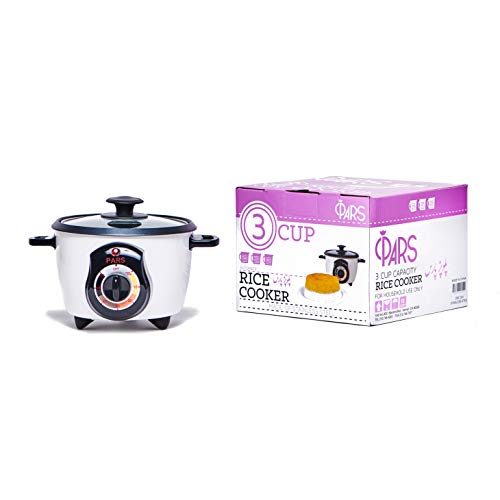
Enter the specialized Persian Rice Cooker for Tahdig. Designed to replicate the precise conditions needed to create the perfect crust, these appliances take the guesswork out of the equation. They often feature adjustable browning settings, timers, and specially coated inner pots, all of which contribute to a uniform golden crust.
Consistency
One of the biggest draws of a Persian Rice Cooker for Tahdig is its consistency. By automating the heat distribution and cooking time, these machines deliver a reliable crust that forms evenly at the bottom. No more hovering over the stove, anxiously waiting to see if your tahdig is browning too fast or too slow.
Ease of Use
If you’re new to Persian cooking or simply short on time, a specialized rice cooker simplifies the process. You just need to rinse or soak your rice, place it in the cooker with the recommended amount of water and oil, and press a few buttons. The machine does the rest, freeing you up to focus on other aspects of your meal—or simply relax.
Timing
Most Persian rice cookers come with preset programs. These include a standard cooking cycle for fluffier rice and a “tahdig” or “crisp” setting that ensures the bottom layer browns to your preference. This precision eliminates the unpredictability of stovetop cooking, giving you better control over the final result.
Adaptable Recipes
Some modern models allow for slight recipe variations—whether you want to add saffron-infused water, a dollop of yogurt, or slices of bread or potatoes to create that extra-special tahdig. This flexibility means you can still add personal touches to your dish without worrying about burning or undercooking.
Balancing Taste and Technique:
The age-old debate about whether a Persian Rice Cooker for Tahdig can match the flavor of a stovetop method rages on in culinary circles. Purists argue that the manual approach results in deeper flavors because of the direct contact with a heavy-bottomed pot and the subtle changes in temperature. Others attest that specialized rice cookers produce equally remarkable results—and sometimes even better consistency.
For many, the choice hinges on lifestyle and preference. If you relish the art of cooking and don’t mind occasional trial and error, the stovetop method lets you fine-tune every detail. If you’re strapped for time or frequently host large gatherings, a Persian Rice Cooker for Tahdig can save effort and produce reliably delicious results.
Comparing Costs
A decent Persian Rice Cooker for Tahdig typically costs more than a simple pot, but you should factor in what you gain in return. Convenience, reliability, and time saved might more than justify the price, especially if you often cook Persian-style rice. On the other hand, if you’re only making tahdig once in a blue moon, investing in an advanced cooker might not be essential.
Traditional stovetop cooking is technically less expensive—you can use almost any sturdy pot with a heavy bottom. But consider the potential for wasted ingredients if you’re inexperienced. Over time, burnt rice and repeated attempts might add up in cost and frustration. If you’re serious about mastering tahdig, you might invest in a specialty pot or tools designed for the stovetop method, which can also be quite pricey.
Versatility Beyond Tahdig
Another angle to consider is the versatility of a Persian Rice Cooker for Tahdig. Many of these cookers double as standard rice cookers, meaning you can also use them for other grain types like quinoa, barley, or even certain polenta recipes. Some higher-end models include additional cooking functions—such as steaming vegetables or slow-cooking soups and stews—making them a multi-use appliance.
Meanwhile, your favorite heavy-bottomed pot isn’t limited, either. You can use it for braising meats, making stews, or deep-frying. Each method has its own advantages and can accommodate a variety of dishes, but the specialized cooker is engineered specifically for that crisp bottom layer of rice.
Flavor Variations and Experimentation:
Whether you choose the stovetop method or the Persian Rice Cooker for Tahdig, there are countless ways to experiment:
Saffron Infusion
Add saffron water (dissolved saffron threads in hot water) to some of the rice before layering. This makes the tahdig not only golden-brown but also saffron-kissed and aromatic.
Yogurt Tahdig
Mix plain yogurt and a bit of oil or butter into the bottom layer of rice. This creates a tangy, extra-crispy crust that’s beloved by many.
Potato or Lavash Tahdig
Place thin potato slices or pieces of lavash bread at the bottom of the pot or rice cooker. You’ll get a crunchy layer that fuses perfectly with the rice.
No matter which path you take, the magic of tahdig lies in customization. You can tailor it to your taste and dietary preferences, transforming each batch of rice into a culinary masterpiece.
Cultural Significance:
Tahdig isn’t just a delicious side dish—it’s a symbol of hospitality, celebration, and cultural pride. In Persian households, the crisp layer often draws more excitement than the main course. People revel in snagging the largest or crunchiest piece. Whether you use a Persian Rice Cooker for Tahdig or a stovetop pot, you’re participating in a long-standing tradition that brings families together over shared meals and treasured recipes.
Maintenance and Care
Rice Cooker Maintenance
Most Persian rice cookers have non-stick inner pots, making cleaning relatively easy. However, you should take care not to use abrasive sponges or harsh detergents that could damage the coating. Also, ensure you clean the exterior with a damp cloth and follow the manufacturer’s guidelines to keep it in good shape.
Stovetop Care
If you use a cast-iron or non-stick pot on the stovetop, you’ll have similar cleaning considerations—avoid metal utensils that could scratch the surface, and season cast iron properly. Maintaining consistent heat and avoiding abrupt temperature changes will prolong the life of your cookware.
Convenience vs. Tradition
Ultimately, your cooking style will determine the “winner” of this debate. The stovetop method offers a hands-on, traditional experience that can be deeply satisfying, but it demands vigilance and practice. The Persian Rice Cooker for Tahdig, on the other hand, offers a stress-free path to a nearly guaranteed crisp layer, making it an appealing choice for busy households or those still mastering the art of Persian cooking.
It’s also worth noting that combining both methods is perfectly valid. You might rely on the rice cooker when time is tight or when you need multiple dishes on the go. On leisurely weekends, you might return to your stovetop ritual. There’s no wrong approach if you end up with that tantalizingly crunchy layer at the bottom of your pot.
Finding the Best Model
If you’re leaning toward purchasing a Persian Rice Cooker for Tahdig, do your homework. Look for models with solid customer reviews, adjustable browning settings, and durable inner pots. Appliances that come with clear instructions and multiple cooking modes can be a big plus. On behalf of Expert Reviews Best Rice Cooker, we strongly recommend verifying warranties and return policies, ensuring you can test the product risk-free before fully committing.
Also, consider the size of your household. Some models are designed for large families, while others cater to singles or couples. Owning a huge cooker that you never fill might not be practical, while consistently overstuffing a smaller unit can compromise the quality of your tahdig.
Frequently Asked Questions (FAQ’s)
Question: What makes the Persian rice cooker appealing compared to the stovetop method?
Answer: A Persian rice cooker is designed specifically to handle the unique process of steaming rice while simultaneously creating that crispy, golden tahdig. It’s consistent, often requires less attention, and can produce great results even for beginners. On the other hand, the stovetop method is highly traditional, but it can demand more skill, precise heat control, and experience to achieve the same level of consistency, especially when it comes to the crunchiness of the tahdig.
Question: Can a rice cooker really match the flavor of stovetop Persian rice?
Answer: While a rice cooker can produce delicious results and reliably form a crisp tahdig, some traditionalists argue that the depth of flavor achieved on a stovetop—with the slow caramelization and slightly smokier undertones from the pot—can be difficult to fully replicate. That said, a high-quality Persian rice cooker often comes very close and offers convenience that’s hard to beat.
Question: Are there any trade-offs when using a Persian rice cooker?
Answer: One potential trade-off is that you have less direct control over the cooking process. With a stovetop method, you can adjust the heat at various stages, peek in to check on the rice’s texture, and make subtle changes on the fly. With a rice cooker, you’re largely relying on pre-set functions, so you might not have as much flexibility. However, the ease of use and consistency often outweigh these trade-offs for many people.
Question: Which method is more time-efficient?
Answer: In general, the Persian rice cooker can save time because you don’t have to constantly monitor the heat or worry about burning the tahdig. You simply set it up and let it do the work. The stovetop method, while more hands-on, may take a little longer due to the need to adjust heat levels and ensure that the rice and tahdig cook evenly. For someone short on time or who prefers a more automated process, the rice cooker usually wins out in efficiency.
Conclusion
In the great debate between stovetop and Persian Rice Cooker for Tahdig, there is no absolute winner—it’s all about what fits your lifestyle, skill level, and culinary ambitions. If you love tradition, have the time, and enjoy the challenge, the stovetop method can be a satisfying journey. But if you crave consistency, want to simplify the process, or need to multitask, then a specialized rice cooker is an invaluable ally. On behalf of Expert Reviews Best Rice Cooker, we encourage you to experiment and discover which method best suits your tastes. No matter the path you choose, you’ll be rewarded with that coveted, crispy, golden crust that makes Persian cuisine so memorable—proof that the art of tahdig is alive and well in your kitchen.