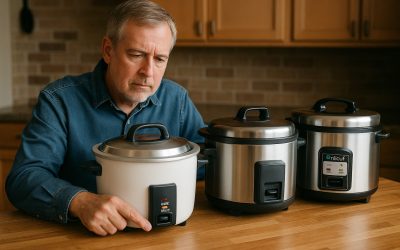

Explore the best Persian rice cooker for sale and learn how to choose the right one to make perfect tahdig with ease, flavor, and authenticity.
As an Amazon Associate I earn from qualifying purchases.
Are you on the lookout for a persian rice cooker for sale that can consistently produce mouthwatering dishes with a gorgeously crisp tahdig? Here at Expert Reviews Best Rice Cooker, we understand how crucial the right appliance can be for anyone aiming to recreate authentic Persian rice in their own kitchen. From the aromatic steam that rises during cooking to the satisfying crackle of a perfectly browned crust, Persian rice is a feast for the senses. However, capturing this signature flavor and texture often comes down to choosing the right rice cooker. In this comprehensive guide, we’ll explore what distinguishes a Persian rice cooker from standard models, as well as how you can identify the features that matter most for flawless results each time.
Before we dive into the details of selecting the perfect Persian rice cooker, be sure to check out our main article that compares various high-performing models. You’ll find in-depth reviews, tips, and insider knowledge on the best persian rice cooker for fast and even cooking. This resource highlights essential design elements and cutting-edge features that help you decide which appliance can truly deliver that coveted golden tahdig while also offering speed and reliability in your everyday culinary tasks.
———
Table of Contents
———
…
Understanding the Appeal of a Persian Rice Cooker
A Persian rice cooker is specially designed to handle the nuances of preparing rice for traditional Iranian dishes. While many global cuisines rely on rice, Persian rice stands out for its distinct layering, steaming, and, of course, its prized crispy bottom—known as tahdig. Conventional rice cookers may not distribute heat evenly enough or allow for the careful adjustments necessary to achieve that coveted golden crust. In contrast, a high-quality Persian rice cooker often comes with specific features tailored to replicate the stovetop methods used for generations, but with added convenience and consistency.
The Cultural Importance of Tahdig
If you’ve ever attended a Persian gathering, you’ve likely witnessed the delight and anticipation surrounding the reveal of tahdig. Hosts take pride in presenting a rice dish where the top layer is fluffy and separate, and the bottom is perfectly crisp. Sometimes, this crust includes slices of potato, bread, or even thin layers of yogurt-infused rice. Regardless of the variation, tahdig is considered the crowning glory of a Persian meal. A specialized cooker takes away much of the guesswork in temperature management, helping even novice cooks reach that level of culinary excellence.
Traditional vs. Modern Methods
Historically, Persian rice has been prepared on the stovetop, where an experienced cook can monitor water levels, adjust the flame, and carefully time the cooking stages—soaking, parboiling, draining, steaming, and then browning the bottom layer. However, modern life doesn’t always allow for the luxury of constant vigilance at the stove. Enter the persian rice cooker for sale, which automates many of these steps without sacrificing the authentic flavor and texture. By combining age-old cooking principles with electric or digital controls, these specialized cookers streamline the process for home chefs of all skill levels.
Key Features to Consider
1. Adjustable Temperature Settings
One of the most critical distinctions in a Persian rice cooker is the ability to control temperature, especially toward the end of the cooking cycle. This control is crucial for forming a crisp tahdig without overcooking the rice above it. Models that offer multiple heat levels or a dedicated “tahdig” function can help you fine-tune your crust’s thickness and color, whether you prefer a light golden hue or a deeper, more caramelized crust.
2. Heat Distribution and Inner Pot Quality
A well-designed Persian rice cooker distributes heat evenly across the entire inner pot. Inconsistent heat leads to unevenly cooked grains—some undercooked, some mushy—and can also cause partial burning. Look for models made with high-grade stainless steel or non-stick coatings specifically engineered for uniform heat conduction. The thickness of the inner pot can be a game-changer: a thicker pot tends to maintain a steady temperature, crucial for both fluffy grains and a crunchy bottom layer.
3. Capacity and Size
When scanning for a persian rice cooker for sale, capacity is a key practical factor. If you frequently host family gatherings or dinner parties, a larger model—capable of cooking 10 or more cups of rice—might be more suitable. However, if you only cook for two or three people, a smaller capacity can prevent you from wasting food or dealing with large, cumbersome appliances. Remember that the more rice you cook, the more critical even heat distribution becomes to maintain consistency across all layers.
4. Ease of Use and Controls
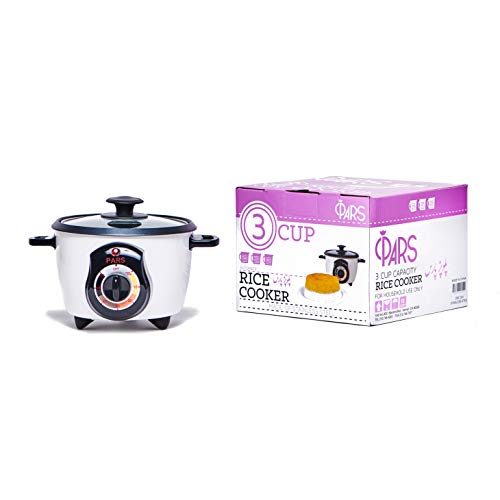
The beauty of using a specialized cooker is simplicity. Some models come with digital controls offering various presets, timers, and keep-warm functions. Others are more minimalist, featuring just an adjustable knob for temperature and time. Decide what suits your cooking style best: Do you like having digital readouts and automatic timers, or do you appreciate the straightforwardness of manual controls? Keep in mind that the more specialized features a device has, the more carefully you need to read the manual to fully leverage them.
5. Durability and Build Quality
Durability is a central concern for any kitchen appliance, especially those used as frequently as a rice cooker. Seek out well-known brands or at least verify that the model is constructed of high-quality materials. The hinge, handle, and lid should all feel sturdy, and the body should be resistant to stains and fingerprints. A strong warranty or reputation for longevity can be a deciding factor, as a reliable device can last for years without needing significant maintenance or part replacements.
6. Versatility Beyond Persian Rice
Although you’re primarily looking for a persian rice cooker for sale to make the perfect tahdig, you may also want an appliance that handles other types of dishes. Some advanced models include presets for brown rice, mixed grains, steaming vegetables, or even baking cakes. Think about the range of dishes you plan to prepare. If you enjoy exploring new recipes and want your rice cooker to do more than just Iranian-style rice, look for versatility. On the other hand, a no-frills model engineered just for tahdig might be ideal if your primary focus is perfect Persian rice every time.
Comparing Popular Brands
In your search for a persian rice cooker for sale, you’ll encounter well-established names in the rice-cooking world as well as lesser-known, region-specific manufacturers that specialize in Middle Eastern cuisine. Below are some categories of brands you might explore:
- Iranian and Middle Eastern Brands: These manufacturers often design appliances explicitly for local cooking traditions. Their cookers tend to include adjustable tahdig settings, robust heating mechanisms, and pots that handle high heat for longer stretches without warping.
- East Asian Brands: Companies originating from Japan, Korea, or China may focus on different styles of rice (e.g., sushi rice, sticky rice, congee). While these brands excel in certain aspects of rice cooking, they might not have preset functions or temperature calibrations geared toward forming a thick, crispy tahdig. You can still adapt them, but it may require more trial and error.
- Multi-Function Kitchen Appliance Brands: Some global kitchen giants offer multicookers designed to handle everything from steaming vegetables to pressure-cooking meats. If you’re pressed for space and want one appliance to do it all, this could be a viable route. However, do verify how customizable the cooker is for high-heat, prolonged cooking cycles needed to achieve tahdig.
Evaluating Power and Efficiency
Wattage Considerations
The wattage of your rice cooker can significantly influence how quickly it heats up and how evenly it distributes heat. Higher wattage often translates into faster cooking times and a more robust sear for the crust. Keep in mind, though, that more powerful units may consume more electricity. If energy efficiency is important to you, look for a model with an “Eco Mode” or features that reduce power usage once the rice reaches a certain stage in the cooking cycle.
Energy Rating and Insulation
Some modern rice cookers are built with energy-saving functionalities like insulated exteriors that help maintain heat. This insulation prevents fluctuations in temperature and can keep your rice warm for several hours after cooking. For large families or dinner parties where you might prepare your meal in advance, maintaining the rice’s freshness and warmth is a huge plus.
The Role of Water Ratios and Soaking
Even the most advanced Persian rice cooker will struggle if the cook doesn’t use the correct water-to-rice ratio or properly soak the grains. Persian recipes often call for soaking Basmati rice in salted water for at least 30 minutes before cooking. This step not only removes excess starch, leading to fluffier grains, but also allows the grains to absorb enough moisture to cook through more evenly. While some modern appliances can handle unsoaked rice, serious Persian rice enthusiasts frequently emphasize the importance of pre-soaking for that classic texture and taste.
Step-by-Step Guide to Using a Persian Rice Cooker
Although each brand or model will come with its own instructions, the general process tends to follow a similar pattern:
Rinse and Soak
Thoroughly rinse your Basmati rice in cold water until the water runs clear. Soak it for 30 minutes to an hour, often with a pinch of salt added.
Measure and Add
Transfer the soaked and drained rice into the inner pot of your Persian rice cooker. Depending on the model, there might be guidelines indicating how much water or broth to add.
Seasonings and Oil
Many Persian rice aficionados add saffron-infused water during or after soaking to enhance both flavor and color. You might also brush the bottom of the pot with oil or butter to encourage the tahdig formation, or even place thin slices of potato or bread if you enjoy those variations of crust.
Adjust Settings
If your rice cooker has a tahdig option or a knob for temperature control, set it to the desired level. Some prefer a light golden crust; others crave a deep, caramelized bottom. Experiment with different timings and temperatures until you discover your favorite level of crispness.
Cooking Cycle
Once you’ve adjusted settings, most Persian rice cookers enter a “cooking/steaming” phase. Unlike a standard rice cooker that might just flip to “warm” after a certain moisture level is reached, specialized models carefully regulate heat during the final stage to create a crust.
Resting Period
Once the cooking cycle finishes, let the rice rest for 5–10 minutes before opening the lid. This rest allows the moisture to redistribute, making the rice fluffier and the tahdig more stable and easier to remove intact.
Inversion and Serving
The magical moment arrives when you flip the pot onto a platter. If done correctly, you’ll reveal a beautifully formed, golden crust on top of a mound of fluffy, separate grains.
Troubleshooting Common Issues
Crust Too Thin or Soft
- Cause: The heat setting was too low, or not enough oil/butter was used at the bottom of the pot.
- Solution: Increase the temperature or preheat the base with more oil to encourage browning.
Burnt Tahdig
- Cause: Excessively high temperature or cooking time too long.
- Solution: Lower the temperature setting or reduce the final crisping duration. If your cooker doesn’t have a specific tahdig mode, manually switch it off just before the crust darkens too much.
Rice Not Fully Cooked
- Cause: Water ratio too low, or the cooking cycle ended before the grains had enough time to steam.
- Solution: Soak the rice longer, add slightly more water, or check if you need to select a longer cooking program on your appliance.
Unreliable Results
- Cause: Inconsistent measuring, skipping the soaking step, or a poor-quality rice cooker that doesn’t distribute heat evenly.
- Solution: Use standardized measurements for water and rice, and follow your device’s instructions closely. If the problem persists, consider upgrading to a more specialized Persian rice cooker model.
Where to Find a Persian Rice Cooker for Sale
In today’s global marketplace, you can find a persian rice cooker for sale through various channels:
- Local Middle Eastern Grocery Stores: Some specialized grocery shops not only carry imported foods but also appliances that cater to Middle Eastern cooking traditions.
- Online Retailers: E-commerce giants often have sections dedicated to international or specialty kitchen appliances. Look for product reviews and ratings to gauge customer satisfaction.
- Brand Websites: Certain brands allow direct purchase through their official website. This can be beneficial if they offer extended warranties or promotional bundles.
- Community Groups and Forums: Local communities or online forums dedicated to Persian cooking sometimes host buy-and-sell threads, which can be a source for gently used but well-functioning devices at a lower price.
Maintenance and Care Tips
Maintaining your appliance ensures it continues producing spectacular results for years:
- Cleaning: Always unplug and allow the cooker to cool before cleaning. Many Persian rice cookers come with removable, non-stick inner pots. Use non-abrasive sponges or cloths to prevent scratching the coating.
- Inspecting Seals and Gaskets: If your model features rubber seals or gaskets, periodically check them for wear and tear, especially if the device also has steaming or pressure components.
- Avoiding Harsh Chemicals: Strong chemicals can damage the interior coating. Stick to mild detergents and warm water for everyday cleaning.
- Storing: Keep the cooker in a dry place to avoid corrosion. If not used frequently, seal it in a bag or with a dust cover.
- Following Manuals: Each brand has nuances in recommended cooking times, water ratios, and cleaning protocols. Adhering to these guidelines extends the lifespan of your device.
Exploring Different Tahdig Variations
Once you find your ideal persian rice cooker for sale, you can start experimenting with different tahdig styles:
- Potato Tahdig: Arrange thinly sliced potatoes at the bottom of the pot, brushed with oil or butter. The potatoes turn deliciously crispy and golden, adding a unique flavor and texture contrast.
- Bread Tahdig: Some cooks use lavash or tortilla bread to form a crunchy bread layer beneath the rice. This is a favorite among kids and a quick way to switch up your meal presentation.
- Yogurt Tahdig: Combine a small portion of parboiled rice with a spoonful of yogurt, saffron, and oil. Spread this mixture on the bottom of the pot for a creamier, tangier crust.
- Herb Tahdig: Mix fresh herbs (dill, parsley, cilantro) into a thin layer of rice at the bottom to create an herbaceous twist on the classic crust.
These variations allow you to infuse creativity and diversify your meals. You can even combine these styles—like layering potatoes first, then topping them with a yogurt-infused rice mix—to create multi-layered textures and flavors.
Pairing Your Rice Dish with Main Courses
Persian rice isn’t just about tahdig. It often complements succulent stews (khoresh), grilled meats (kabab), or fish. Here are a few beloved Persian dishes that pair wonderfully:
- Khoresh-e Ghormeh Sabzi: A stew of herbs, beans, and lamb or beef, often served over a plate of steaming hot tahdig.
- Khoresh-e Fesenjan: A sweet-and-sour pomegranate-walnut stew that benefits from the neutral yet crisp base of tahdig.
- Zereshk Polo: Rice mixed with tangy barberries and saffron, commonly served with chicken or other proteins.
- Kebab Koobideh: Spiced ground meat kebabs that taste divine alongside fluffy Persian rice.
A specialized Persian rice cooker helps ensure that the star of these meals—your rice—shines in both flavor and texture, letting the other dishes play off its aromatic base.
Adapting to Different Rice Types
Although Basmati is the gold standard for Persian cooking, you might occasionally have to work with other long-grain varieties. While it’s possible to achieve a crisp crust with many types of rice, you’ll need to adjust your water ratios, soaking times, and cooking times. If your persian rice cooker for sale includes multiple presets, experiment with them to see how each setting affects the final texture.
- Jasmine Rice: Shorter grain than Basmati, and more fragrant. You can still get a decent tahdig, but it might be slightly stickier.
- Long-Grain White Rice: Often used in Western cooking, less aromatic than Basmati but can form a passable crust with careful adjustments.
- Mixed Grains or Brown Rice: Healthier options that usually require longer cooking times and more water. Tahdig can still form but often with a different texture due to the higher fiber content.
Hosting Tips and Presentation
When you’re hosting a dinner party or family gathering, the reveal of a perfectly intact tahdig is often a culinary high point. Consider these hosting tips:
- Practice: Don’t wait until the day of your event to try your cooker for the first time. Make a few trial runs to understand its quirks.
- Presentation: Flipping the entire pot onto a large serving platter is a dramatic reveal. If you’ve layered potatoes or bread, they should form a striking pattern on top.
- Garnishing: Make your dish even more inviting by garnishing with a sprinkle of saffron threads, chopped herbs, or barberries.
- Timing: Cook the rice so it finishes close to serving time. Most Persian rice cookers have a keep-warm function, but letting your dish sit too long might soften the crust.
The Value of Authenticity
Cooking Persian rice can be a doorway into the rich history and cultural traditions of Iran. For many families, the intense aroma of saffron, the sizzling sound of oil meeting the bottom of the pot, and the communal excitement around tahdig represent far more than just a meal. It’s a way of preserving and sharing heritage across generations. A specialized cooker honors these traditions by simplifying the process without diluting the essence of authentic flavors.
Final Thoughts and Recommendations
When you begin searching for a persian rice cooker for sale, keep in mind the factors that align with your cooking style, household size, and expectations for authenticity. Whether you opt for a versatile multicooker or a dedicated device designed specifically with tahdig in mind, the right choice will become a valuable companion in your kitchen. Take advantage of user reviews, brand reputations, and test runs to ensure you’re investing in an appliance that delivers on its promise of perfectly fluffy rice and that coveted crispy crust.
Here at Expert Reviews Best Rice Cooker, our passion lies in helping home chefs discover appliances that effortlessly bridge tradition and modern convenience. With the proper research and a willingness to experiment with temperature settings, you’ll soon enjoy flawlessly cooked Persian rice that smells divine, looks magnificent, and tastes unforgettable. As you master the art of tahdig, you’re not just preparing a dish—you’re celebrating a storied culinary heritage that thrives on generosity, warmth, and the simple joy of shared meals.
Frequently Asked Questions (FAQ’s)
Question: What features should I look for in a Persian rice cooker to make perfect Tahdig?
Answer: When choosing a Persian rice cooker, focus on adjustable crispiness settings, as this allows you to control the level of Tahdig (crispy rice crust). A high-quality stainless steel or Teflon-coated inner pot is also essential for even heat distribution. Additionally, high wattage (powerful heating element) ensures the rice cooks efficiently and crisps up properly.
Question: Why is an adjustable browning or crisping function important for Tahdig?
Answer: A Persian rice cooker with adjustable browning control lets you customize the thickness and crispiness of the Tahdig. Some models have a simple dial with low, medium, and high settings, while others offer more precise adjustments. Without this function, achieving the perfect golden crust can be difficult.
Question: Is a stainless steel inner pot better than a non-stick-coated one for Persian rice?
Answer: Stainless steel inner pots are more durable and free of chemical coatings, making them a healthier choice. However, non-stick Teflon-coated pots are easier to clean and help ensure that the Tahdig releases smoothly. If you prefer longevity and traditional cooking, stainless steel is best, but for ease of use, a non-stick option might be preferable.
Question: What size Persian rice cooker should I buy?
Answer: The size depends on your household needs. A 3-cup capacity is suitable for individuals or small families, while 5 to 10-cup models are better for larger gatherings or frequent entertaining. If you regularly cook Tahdig for multiple people, opt for a larger model to accommodate the right amount of rice.
Question: Which brands are best for making Persian-style rice with Tahdig?
Answer: Some of the best brands for Persian rice include Pars Khazar, which is widely known for its authentic Tahdig crisping settings and durable design. Other brands like Gosonic and Midea also offer Persian rice cooking functions, but Pars Khazar remains the most trusted choice among Persian households.
Question: How does the wattage of a Persian rice cooker affect cooking results?
Answer: Higher wattage means faster and more efficient cooking. A Persian rice cooker with above 600 watts is recommended for making Tahdig, as it ensures the base of the rice gets the right amount of heat to create the crispy crust. Lower wattage models may struggle to achieve the proper crispness.
Question: Are digital or mechanical Persian rice cookers better for making Tahdig?
Answer: Mechanical Persian rice cookers, which have a simple dial control, are often preferred because they are more durable and easier to use. Digital models may offer more precise temperature control and additional cooking functions, but they tend to be more expensive and complex. For authentic Tahdig, a mechanical model with crispiness adjustment is often the best choice.
Question: Can I make other types of rice dishes with a Persian rice cooker?
Answer: Yes, Persian rice cookers are versatile and can cook plain steamed rice, mixed rice dishes, and pilafs. However, their standout feature is their ability to make Tahdig, which regular rice cookers cannot achieve as effectively. If you frequently cook Persian-style rice, a Persian rice cooker is a must-have.
Question: How much should I expect to spend on a high-quality Persian rice cooker?
Answer: The price varies by brand and features. A basic Pars Khazar model typically ranges from $60 to $120, while larger, more advanced models with additional functions may cost $150 to $200. Digital Persian rice cookers with preset cooking programs and smart temperature control can go even higher in price.
Question: Where can I buy a Persian rice cooker?
Answer: Persian rice cookers are available in specialty kitchen appliance stores, online marketplaces like Amazon and eBay, and Persian grocery stores. For authentic Pars Khazar models, look for trusted Iranian or Middle Eastern kitchenware retailers to ensure you get a genuine product with the correct voltage and settings for your region.
Conclusion
Choosing the right persian rice cooker for sale can make the difference between a plain pot of boiled grains and an extraordinary dish crowned with crispy golden tahdig. By considering factors like adjustable heat settings, pot quality, and versatile capacity, you’ll find a cooker that suits both your lifestyle and your taste for authentic Persian cuisine. At Expert Reviews Best Rice Cooker, we encourage you to invest the time and care needed to explore the available options, because once you experience that first mouthful of perfectly prepared Persian rice, you’ll understand exactly why the right appliance is worth every penny—and every bite.