

Learn how to make perfect Iranian rice cooker tahdig—crispy, golden, and delicious. Follow this easy step-by-step guide for authentic Persian flavor.
As an Amazon Associate I earn from qualifying purchases.
In the realm of Persian cuisine, mastering an authentic iranian rice cooker tahdig is a dream for many. Crisp, golden, and bursting with flavor, this culinary treasure transforms humble grains into a show-stopping masterpiece. With guidance from Expert Reviews Best Rice Cooker, you can easily replicate this tradition in the comfort of your home. The key is understanding the delicate interplay between heat, timing, and the right appliance. In this comprehensive guide, we’ll unravel each stage of perfecting tahdig, from selecting the best rice to unveiling that mesmerizing final flip. Ready to elevate your cooking game? Let’s dive in.
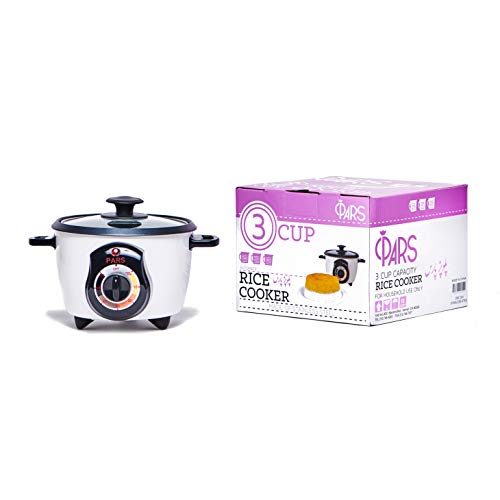
Mastering the art of Persian rice requires patience, skill, and the right tools. While traditional stovetop methods demand precise heat control, a high-quality Persian rice cooker can simplify the process and guarantee consistently crispy tahdig every time. If you want to achieve restaurant-quality results with ease, cook the perfect tahdig with these Persian rice cookers and discover the top models designed for flawless Persian rice.
———
Table of Contents
———
…
The Unmatched Allure of Tahdig
At the heart of every well-prepared Persian meal lies the prized tahdig—that crispy bottom layer of rice so coveted by family and guests alike. Achieving this perfect texture can be a challenge, which is why many enthusiasts turn to the iranian rice cooker tahdig method. Rather than juggling the stovetop temperature or anxiously peeking under the pot, a specialized rice cooker streamlines the process. It does much of the heavy lifting, allowing you to focus on seasonings and complementary dishes like kebabs, stews, or fresh herbs.
In essence, tahdig isn’t just a technique; it’s a culinary art form. Its golden crust provides a visual and textural contrast that heightens the enjoyment of every spoonful. By employing a reliable rice cooker designed for Persian-style rice, you can replicate generations of tradition without the risk of burnt edges or undercooked grains.
Selecting the Right Rice:
Your journey to the perfect iranian rice cooker tahdig begins with the grain itself. Persian cooking traditionally calls for basmati rice or a similar long-grain variety:
Basmati Rice
Famed for its fragrant aroma and slender grains, basmati is the top choice for Persian cuisine. Aged basmati, often labeled “extra long,” can yield fluffier textures and maintain its structure under heat.
Other Long-Grain Varieties
If basmati is unavailable, another long-grain rice can work. However, you may need to adjust water ratios and parboiling times.
Rinsing or Soaking
Excess starch makes rice clumpy. A thorough rinse or soak ensures each grain remains distinct, contributing to the fluffy top layer that complements the crisp tahdig underneath.
Beyond the grain type, confirm your rice is fresh and free from any musty aromas. If you notice a stale smell, the final dish might inherit those off-flavors, compromising the quality of your tahdig.
The Art of Pre-Soaking and Rinsing
Persian cooks often emphasize the importance of soaking rice before cooking. By immersing the grains in salted water for at least 30 minutes, you allow the rice to expand slightly and soften its outer shell. During this process:
- Salt Infusion: A pinch of salt in the soaking water seasons the rice internally.
- Improved Texture: Soaked grains cook more evenly, ensuring the top layer remains fluffy and separate once steaming is complete.
- Reducing Cooking Time: Partially hydrating the grains before heat is applied speeds up the overall cooking cycle, crucial when forming a crisp but not burnt tahdig.
If you’re short on time, a thorough rinse under cold water can still eliminate excess starch. Monitor the water clarity—once it’s mostly clear, your rice is ready for the next step.
Parboiling for Consistency:
Iranian rice cooker tahdig methods often rely on a short parboil before the rice and water meet again in the cooker. While some models allow you to skip this step, traditionalists argue it’s essential for guaranteed fluffiness:
Bring Water to a Boil
Fill a pot with water, adding a dash of salt. Once it reaches a rolling boil, stir in your soaked rice.
Test a Grain
Let the rice cook for roughly 4–6 minutes. You want the grain’s exterior to soften while the core remains slightly firm.
Drain and Rinse
Once the rice hits that al dente stage, drain it in a colander and rinse quickly with cold water to halt cooking.
Parboiling might seem like an extra step, but it ensures your final result has the desired separation of grains and the crisp exterior at the bottom. After draining, you’re ready to transfer everything into your rice cooker.
Preparing the Cooker for Tahdig
In a traditional pot on the stovetop, you’d pour oil or butter into the base, occasionally layering bread, sliced potatoes, or yogurt-mixed rice to form a unique crust. When using an iranian rice cooker tahdig approach, a similar principle applies:
Oil or Butter
Coat the bottom of the cooker’s inner pot with 2–3 tablespoons of oil or melted butter. Vegetable oil yields a cleaner crisp, while butter adds a rich, aromatic taste.
Optional Garnishes
- Thin Potato Slices: Arrange slices at the base for a flavorful potato tahdig.
- Lavash: Bread enthusiasts sometimes lay down lavash for a crispy bread crust.
- Yogurt Mixture: Combine a small portion of parboiled rice with yogurt for a tangy, golden crust.
Layering the Rice
Gently spoon in the parboiled rice, forming a mound. Avoid pressing down, as you want steam to circulate for even cooking.
Next, set your rice cooker to its designated “tahdig” or “crisp” mode if available. Otherwise, a standard “cook” setting might suffice—though specialized models do a better job of regulating temperature at the end to develop that crunchy finish.
Steam, Crisp, and Wait:
Patience is the key. Persian rice thrives on gentle steaming rather than aggressive boiling. Your cooker’s sensor will typically switch from a cooking phase to a keep-warm or crisping cycle once it detects most of the moisture has evaporated. Here’s what to anticipate:
Initial Cooking
The rice begins to absorb water or steam from any remaining moisture, swelling into tender grains.
Evaporation
As liquid dissipates, the bottom layer starts frying, forming that signature crust.
Sizzle and Aroma
You may catch the gentle sizzle of oil or butter, along with a toasty scent. Resist opening the lid prematurely, as heat loss can disrupt the crust formation.
Most iranian rice cooker tahdig sessions wrap up after 30–45 minutes, depending on the cooker’s design and the volume of rice. If you’re new to the process, peeking once toward the end is fine—but do so carefully to prevent excessive steam loss.
The Dramatic Flip
One of the most satisfying moments of making tahdig is flipping the rice onto a serving platter, revealing the golden crust in all its glory:
Rest Briefly
When your cooker signals completion, allow the rice to rest for a minute or two. This helps the crust detach more easily from the pot.
Ready the Platter
Choose a plate wider than the cooker’s inner pot for a flawless flip. Position it over the pot, pressing gently.
Invert in One Motion
Grip the pot and plate firmly, then flip. If all goes well, you’ll unveil a single cohesive mound of rice crowned by a crisp, perfectly browned tahdig.
A slight drizzle of saffron-infused water or a garnish of toasted nuts can further elevate both taste and presentation, showcasing the care you’ve poured into every stage of cooking.
Troubleshooting Common Issues
Even with a well-calibrated iranian rice cooker tahdig process, small mishaps can arise:
- Crust Too Light: You might need more oil or a slightly longer crisping phase.
- Burnt Bottom: Cut back on the initial cooking time, or use less heat if the cooker allows manual adjustments.
- Soggy Grains: Double-check your soaking or parboiling technique—excess water can hinder the final result’s fluffiness.
- Crust Sticking: Greasing the pot thoroughly and letting the rice rest a bit before flipping can minimize this problem.
Over time, your intuition around water ratios and crisping duration will improve, guided by your unique cooker model’s behavior.
Serving and Pairing Suggestions
A freshly flipped plate of iranian rice cooker tahdig shines on its own, but Persian cuisine often features complementary sides and entrées:
Khoresht (Stews)
Classic stews like Ghormeh Sabzi or Fesenjan bring savory, tangy flavors that pair beautifully with the crunchy rice.
Grilled Kebabs
Whether it’s chicken (joojeh) or ground meat (koobideh), the smokiness of charred meat offsets the tahdig’s rich texture.
Yogurt-Based Sides
Cooling dips like mast-o-khiar (cucumber-yogurt) or mast-o-musir (shallot-yogurt) cleanse the palate.
Fresh Herbs and Pickles
Placing small bowls of fresh basil, parsley, mint, and pickled vegetables around the table lets guests customize each bite.
Such variety underscores tahdig’s role as both a visual centerpiece and a versatile canvas for the rest of your meal.
Building Confidence in the Kitchen
At first, the pursuit of ideal iranian rice cooker tahdig can feel daunting. Yet every flip, whether triumph or near-disaster, refines your abilities. Embrace this learning curve:
Start Small
If you’re new, begin with a modest batch before graduating to larger quantities.
Document Your Ratios
Noting how much rice, water, and oil you used (along with the soaking time) helps you replicate successes or correct shortfalls next time.
Be Flexible
Each brand or variety of rice might require slight tweaks. Even the humidity in your kitchen can influence your results.
Experiment with Toppings
Don’t hesitate to add saffron water, barberries, or dried fruits for color and extra punch.
Before long, you’ll find yourself confidently preparing tahdig for family gatherings, potlucks, and special celebrations—a dish that wows both novices and connoisseurs alike.
Expanding Beyond White Rice
While classic basmati or long-grain white rice forms the backbone of iranian rice cooker tahdig, there’s room for creativity:
- Brown Rice: Slightly nuttier in flavor, requiring a more extended cooking cycle or additional soaking time.
- Mixed Grains: Incorporate bulgur or wild rice for a hearty, nutritious spin.
- Layered Persuasion: Alternate white rice with lentils or herbs, resulting in colorful layers once flipped.
- Polow Variations: Persian polow recipes integrate spices, vegetables, beans, or meat, all crowned by a crispy base.
Your cooker’s adaptability lets you explore these frontiers without sacrificing the hallmark crunch on the bottom.
A Legacy of Culinary Tradition
The passion behind iranian rice cooker tahdig is deeply linked to Persian heritage, where rice stands as a culinary cornerstone. Throughout Iran, families bond over cherished weekend lunches or special occasions, with tahdig often claimed first by the most enthusiastic diners. By mastering this technique at home, you’re continuing a centuries-old tradition of hospitality, artistry, and communal dining.
Modern appliances—especially those recommended by Expert Reviews Best Rice Cooker—bridge tradition and convenience, ensuring novices can replicate advanced steps once reserved for well-seasoned home cooks. This union of old and new is precisely why so many enthusiasts consider a specialized rice cooker a worthy investment.
Helpful Tips for Maximum Flavor
Seasoning Strategy
Salt the soaking water and parboiling water for thorough flavor distribution.
Herbs & Spices
Incorporate saffron, turmeric, or mild herbs if you want to add color and complexity.
Oil Choices
Neutral-flavored oils emphasize the rice’s natural aromas, while butter or ghee introduces a luxurious note.
Patience at the End
Let the cooker fully complete its cycle. The best crust often forms during the last few minutes of cooking.
Such subtleties elevate your skill, transforming a humble pot of rice into a captivating staple that resonates with Persian tradition and personal flair.
Frequently Asked Questions (FAQ’s)
Question: What is tahdig, and why is it special in Persian cuisine?
Answer: Tahdig is the golden, crispy crust that forms at the bottom of a pot of Persian rice. It is one of the most prized elements of Iranian cuisine, offering a delightful crunch and rich flavor that contrasts beautifully with the soft, fluffy rice on top. Achieving a perfect tahdig requires precision, patience, and the right cooking technique.
Question: Can you make authentic tahdig in an Iranian rice cooker?
Answer: Yes! Many modern Iranian rice cookers are designed with specific settings to help create a perfect tahdig without the need for constant monitoring. These cookers regulate temperature and cooking time to ensure even crisping, making it much easier to achieve consistent results compared to stovetop methods.
Question: What type of rice should be used for tahdig?
Answer: For the best results, use high-quality basmati rice. Long-grain basmati rice retains its shape, remains fluffy, and absorbs flavors well. Aged basmati rice is particularly good because it expands beautifully when cooked and has a naturally aromatic fragrance.
Question: How should rice be prepared before cooking tahdig?
Answer: To prevent sticky or mushy rice, rinse it thoroughly under cold water until the water runs clear to remove excess starch. Soaking the rice in salted water for at least 30 minutes to an hour helps soften the grains and ensures even cooking.
Question: What is the best way to set up the rice cooker for tahdig?
Answer: Start by coating the bottom of the nonstick inner pot with a generous amount of oil, butter, or ghee. For extra flavor and color, add saffron-infused water to the oil before layering the rice. If desired, thin slices of potatoes or lavash bread can be placed at the bottom for an alternative tahdig texture.
Question: How long should the rice cook to form a crispy tahdig?
Answer: Most Iranian rice cookers come with a tahdig setting that allows the rice to cook for 45 to 60 minutes. The cooker automatically regulates the heat, crisping the bottom layer while steaming the rice on top. If your cooker does not have a dedicated tahdig setting, using a medium heat setting for the first 10 minutes before lowering the temperature can help achieve the best results.
Question: How can you remove tahdig without breaking it?
Answer: To ensure the tahdig releases easily, let the rice rest for a few minutes after cooking. Running a spatula along the edges of the pot helps loosen the crust. One trick is to place the bottom of the pot in cold water for a few seconds to help the crispy layer detach naturally. To serve, place a large plate over the pot and flip it upside down so that the tahdig is displayed beautifully on top.
Question: What common mistakes should be avoided when making tahdig in a rice cooker?
Answer: One of the biggest mistakes is not using enough oil or butter, which can cause the tahdig to stick or become too dry. Adding too much water during the steaming process can result in a soft or mushy texture rather than a crisp crust. Additionally, lifting the lid too frequently disrupts the cooking process and can affect the final texture of both the rice and tahdig.
Question: How can you enhance the flavor of tahdig?
Answer: For a more fragrant and colorful tahdig, dissolve saffron strands in warm water and drizzle it over the bottom layer before cooking. A yogurt and egg mixture can also be used to create a richer, tangier crust. Some variations incorporate garlic, cumin, or turmeric for an added depth of flavor.
Question: Is it worth investing in a Persian rice cooker for making tahdig?
Answer: If you frequently cook Persian rice, an Iranian rice cooker can be a great investment. It simplifies the cooking process, ensures consistent results, and eliminates the need for constant monitoring. Many high-end models come with customizable tahdig settings, allowing you to control the crispiness and thickness of the crust effortlessly.
Conclusion
Embarking on the quest for perfect iranian rice cooker tahdig needn’t be an intimidating affair. By choosing quality basmati rice, soaking and parboiling properly, and relying on a dependable appliance—preferably one endorsed by Expert Reviews Best Rice Cooker—you’re already halfway there. The rest is about honing your sense of timing, balancing moisture, and savoring the reward of that dramatic flip onto a serving platter. Once you master this process, each tahdig-laden meal becomes a testament to both cultural heritage and personal accomplishment. So, gather your ingredients, trust the method, and look forward to the applause when you unveil that beautifully golden crust at the table—showcasing the pinnacle of Iranian culinary tradition in every bite.