

Master the art of tahdig with this crispy basmati rice recipe. Follow our step-by-step guide for golden, crunchy perfection every time you cook.
As an Amazon Associate I earn from qualifying purchases.
In the realm of culinary delights, there’s nothing quite like the moment you unveil a golden, crunchy crust beneath a mound of fragrant basmati rice. For those seeking a foolproof method, this step-by-step crispy basmati rice recipe is the perfect place to begin. This iconic dish showcases Persian cuisine’s devotion to bold flavors, exquisite aromas, and the irresistible texture of crispy tahdig. Partnering with Expert Reviews Best Rice Cooker has allowed us to fine-tune a method that locks in flavor and moisture, ensuring consistently excellent results every single time.
Mastering the art of Persian rice cooking requires both technique and the right equipment. While traditional methods involve meticulous timing and careful heat control, modern Persian rice cookers simplify the process with specialized settings for achieving fluffy rice and the perfect tahdig. If you’re looking for a reliable appliance that takes the guesswork out of Persian rice preparation, explore our guide on the best Persian rice cooker with advanced cooking features to find top-rated options that ensure consistent, restaurant-quality results.
———
Table of Contents
———
…
Introduction to Crispy Basmati Rice
At the heart of Persian cooking lies the pursuit of contrast: fluffy, tender grains of rice topped with a delectably crunchy layer known as tahdig. Tahdig is more than just a cooking technique; it’s a culinary treasure symbolizing celebration, hospitality, and mastery of the kitchen arts. If you’ve ever marveled at how certain restaurants or home cooks manage to create that perfect crisp at the bottom of their pots, be assured it’s not purely magical—there’s a system to it. This crispy basmati rice recipe combines time-honored methods with modern conveniences, ensuring that even first-time cooks can achieve a crust that gently crackles when tapped with a fork.
A well-crafted tahdig depends on both science (the control of heat and moisture) and artistry (knowing precisely when to let the rice continue cooking for crunch without burning). The dish revolves around basmati rice—a long-grain variety prized for its fragrant aroma and slender shape. When prepared correctly, basmati grains retain their integrity, offering a light, airy texture that pairs beautifully with the crispiness of tahdig.
The Cultural Significance of Tahdig
In many Persian households, tahdig is the first dish to vanish at gatherings. Family members and guests alike gravitate toward the pot’s prized golden crust. Children often relish the corner pieces, adults savor the interplay of textures, and newcomers delight in discovering a sophisticated method of cooking rice that yields nuanced taste and presentation.
Beyond its universal appeal, tahdig also represents the spirit of abundance and sharing. It’s often reserved for special occasions—festive gatherings and holidays—though many Iranians enjoy it on ordinary days too. By learning this crispy basmati rice recipe, you’re embracing a slice of Persian culture and passing on a time-tested tradition.
Choosing the Right Equipment:
While many traditional cooks rely on a well-seasoned pot and an intuitive approach to heat management, modern cooks have the advantage of rice cookers, including models specifically designed for crispy rice or “tahdig” settings. These can help minimize the guesswork by carefully regulating temperature shifts, making the process more accessible to novices and experts alike.
Heavy-Bottomed Pot
If you prefer the stovetop method, a heavy-bottomed pot with a well-fitting lid helps maintain even heat distribution. This minimizes hot spots that can lead to burnt sections.
Rice Cooker with Crispy Function
Many new appliances now offer a crisp or tahdig function that automates the process. Follow the guidelines for your specific cooker. If you have an adjustable browning setting, experiment to find the level of crust color you prefer.
Non-Stick Coating
A non-stick surface can be a game-changer, especially if you’re new to making tahdig. Even seasoned Persian cooks sometimes rely on non-stick pots to ensure clean removal of the crust in one stunning piece.
Essential Ingredients:
Basmati Rice
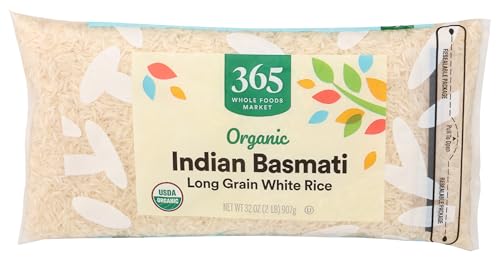
Long-grain basmati is the star of this crispy basmati rice recipe. Its fluffy texture and aromatic notes make it ideal for Persian-style rice. Look for high-quality basmati that has aged for at least a year.
Water
Adequate moisture is essential to soften the grains and prepare them for steaming. Keep a kettle or measuring cup handy to ensure precise water levels.
Salt
Salt not only seasons the rice but also helps the grains separate during cooking. Most Persian recipes call for salting the soaking water.
Oil or Butter
A thin layer of oil or melted butter at the bottom of the pot is what transforms ordinary rice into a crispy spectacle. Some cooks use a combination of oil and butter for enhanced flavor and crunch.
Optional: Saffron
Saffron threads add a luxurious aroma and a brilliant yellow hue. You can bloom them in a small amount of hot water and drizzle over the rice before steaming.
Pre-Soaking and Rinsing the Rice:
One of the defining characteristics of Persian-style rice is the thorough process of rinsing and pre-soaking. When you rinse basmati rice under cold running water, you wash away excess starch that can otherwise cause clumping. Meanwhile, soaking the rice in salted water for 30 minutes to an hour helps the grains expand and ensures a more even cook, preventing the surface from breaking before the interior is fully cooked.
How to Rinse and Soak:
Rinse in a Bowl
Place the rice in a large bowl and fill it with cold water. Swirl gently to dislodge starch. Pour off the cloudy water, then repeat until the water runs almost clear.
Salted Soak
Refill the bowl with cold water, add a generous pinch of salt, and let the rice soak. If you prefer a deeper infusion of flavor, add more salt, adjusting to taste.
Skipping or rushing this step can lead to a subpar result, making it crucial to achieving the signature fluffiness of this crispy basmati rice recipe.
Step-by-Step Preparation:
Once your ingredients and equipment are ready, it’s time to dive into the method. Whether you’re using a traditional stovetop pot or a specialized rice cooker, these fundamental steps remain largely consistent.
Boil the Rice (Stovetop Method)
- Bring a large pot of water to a boil, adding salt to taste.
- Drain the soaked rice and add it to the boiling water. Let it boil for about 4–5 minutes, depending on the type of basmati rice.
- Test a grain: it should be slightly soft on the outside but still have a firm core.
- Drain the rice in a colander and rinse with cold water to halt the cooking process.
Layering for the Crisp
- Return the pot to the stove over medium heat. Add about 2 tablespoons of oil or butter.
- If using saffron, drizzle a bit at the bottom for a colorful, aromatic crust.
- Spoon in a layer of par-cooked rice, forming a base. You can add thinly sliced potatoes or flatbread pieces to the bottom for variation.
- Gently mound the remaining rice on top, shaping it into a pyramid, which allows steam to circulate evenly.
Steam and Crisp
- Use the handle of a wooden spoon to create several holes in the rice mound, letting steam escape.
- Wrap the lid with a clean kitchen towel to absorb moisture, preventing condensation from dripping back into the rice.
- Cook on medium-high heat for about 5–7 minutes to set the crust, then reduce the heat to low.
- Continue steaming for another 30–40 minutes, until the rice is fully cooked and you can smell the forming crust.
Unveiling Your Tahdig
- Turn off the heat and let the pot rest for a few minutes. This brief pause makes it easier to remove the tahdig in one piece.
- Place a large serving dish over the pot and quickly yet carefully flip it. Marvel at the golden-brown crust that emerges on top.
If you’re using a rice cooker with a tahdig or crisp function, most of these steps will be automated. Follow your appliance’s manual for exact water levels and timing, but the principles remain the same: you want a brief high-heat phase to develop the crust followed by a gentler steam phase.
Aromatic Enhancements:
While the basic recipe is delectable on its own, incorporating spices and additional ingredients can transform this crispy basmati rice recipe into a multi-dimensional dish:
Saffron Water
Soak a pinch of saffron threads in 2–3 tablespoons of hot water. Drizzle this saffron-infused water over portions of the rice before steaming. This creates stunning ribbons of yellow and a floral fragrance.
Herb Layer
Finely chop fresh herbs like dill, parsley, or cilantro and mix them with the par-cooked rice to create sabzi polo. The herbs introduce a burst of color and taste reminiscent of springtime.
Zereshk (Barberries)
A popular garnish in Persian cuisine, tart barberries offer a pop of color and tanginess. Lightly sauté them in butter and sugar before sprinkling over the final dish.
Vegetable Blends
For a more substantial one-pot meal, sauté thinly sliced onions, bell peppers, or carrots and layer them amidst the rice. This approach not only adds nutrients but also infuses the dish with extra flavors.
Troubleshooting Common Issues:
1. Burnt Crust
If the bottom layer is burnt rather than golden, the heat was likely too high or maintained for too long. Next time, reduce the initial high-heat phase by a minute or two, or switch to a slightly lower burner setting.
2. Soggy or Sticky Rice
Excess water or insufficient boiling time before steaming can result in mushy grains. Make sure to properly parboil and drain the rice. If you’re using a rice cooker, verify you’re not adding more water than the manual recommends.
3. Crust Won’t Detach
Greasing the pot adequately is essential. If you used too little oil or butter, the crust might stick. A non-stick pot or a high-quality stainless steel pot with oil or butter distributed evenly can help.
4. Lack of Crispness
If the crust doesn’t seem crispy enough, you might not have given it enough time during the final steaming phase. For stovetop cooking, increasing the heat slightly in the last 5 minutes can help. In a rice cooker, check if there’s a setting to extend the crisping cycle.
Serving and Presentation:
A hallmark of Persian cuisine is the careful presentation of rice. Once you’ve successfully flipped your pot and revealed the golden tahdig, you can garnish the top with saffron-infused rice, barberries, toasted nuts, or fresh herbs. This transforms a simple dish into a feast for both the eyes and the palate.
Family-Style Platter
Plate the rice in a large, circular shape, crowned by its crispy shell. This communal approach showcases the tahdig in all its glory and encourages guests to break off pieces of crust for themselves.
Individual Portions
For a more refined setting, gently slice the tahdig into wedges. Place each crispy wedge beside a mound of fluffy rice, garnished with saffron strands or pomegranate seeds for a pop of color.
Pairing Suggestions:
The mild yet aromatic profile of basmati rice complements a diverse array of Persian dishes:
Kebab Koobideh or Joojeh Kebab
The smoky flavors of grilled meats pair perfectly with the crunchy texture of tahdig. Offer a side of grilled vegetables and yogurt-based sauces for a balanced meal.
Ghormeh Sabzi
A traditional Persian herb stew brimming with spinach, fenugreek, kidney beans, and lamb (or beef). The bright herbal notes contrast beautifully with the rich, buttery tahdig.
Fesenjan
A tangy stew made from pomegranates and ground walnuts. The sweet-sour profile balances the crispy richness of tahdig.
Roasted Vegetables
For a vegetarian or vegan approach, roasted root vegetables bring an earthy sweetness that enhances the delicate crunch and aromatic depth of the rice.
The Allure of Homemade Crispy Rice:
Part of what makes tahdig so special is the personal touch. Creating this crispy basmati rice recipe in your own kitchen allows you to adjust each detail to your preferences—whether you prefer a thinner crust, a deeper shade of brown, or an infusion of extra spices. Over time, you’ll develop a feel for the subtle cues that indicate when the tahdig is forming, when the rice is nearly done steaming, and when it’s time to flip the pot for the big reveal.
Homemade tahdig also elevates any dinner party, offering your guests a culinary adventure that is both visually stunning and irresistibly tasty. Even if you’re just cooking for yourself, the moment you hear that crunch or breathe in the rich aromas will remind you why Persian rice stands in a league of its own.
Expanding Your Repertoire:
Tahdig is just the beginning. Once you’ve mastered this crispy basmati rice recipe, you can branch out to other Persian rice dishes, each with its own unique twist:
Baghali Polo (Rice with Fava Beans and Dill)
A springtime favorite, mixing fresh or frozen fava beans and chopped dill into the rice. It’s bright and mildly sweet, complementing lamb shanks or roast chicken.
Albaloo Polo (Sour Cherry Rice)
Perfect for summer, tart cherries bring a fruity tang to the dish. Often paired with roast chicken or meatballs, it adds both color and festive flavor.
Tahchin (Layered Rice Cake)
This is a baked version of crispy rice that includes layers of chicken or vegetables bound with yogurt and eggs. The entire dish forms a massive block of layered goodness, crisp on all sides.
Each variation adheres to similar principles of parboiling, layering, and steaming, so the skills you develop with tahdig will carry over seamlessly.
Mastery Through Practice:
Becoming proficient at any cooking technique requires practice, and this crispy basmati rice recipe is no exception. Your first batch might not look picture-perfect, but the key is to keep refining:
- Observe: Note how the rice smells, how it looks at different stages, and how the steam escapes.
- Adjust: Tweak variables like heat levels, soaking time, or the duration of the final steam.
- Taste: Continually taste the rice at various points to ensure you catch the sweet spot for doneness.
Every time you practice, you build muscle memory and gain a deeper understanding of how basmati rice behaves under heat and moisture.
Garnishing and Flavor Highlights:
A sprinkle of saffron and a handful of dried fruits or nuts can take your crispy basmati rice recipe to gourmet territory. Consider these final flourishes:
Saffron Spritz
Dissolve a small amount of saffron in rosewater for a fragrant twist and lightly mist over the cooked rice.
Roasted Nuts
Slivered almonds or crushed pistachios offer a crunchy counterpoint to the texture of tahdig.
Sweet-Tart Elements
Raisins, dried apricots, or pomegranate seeds deliver bursts of sweetness that balance the savory richness of butter or oil in the crust.
Sharing the Experience:
One of the greatest joys of Persian cuisine is how it brings people together. Inviting friends or family over for a tahdig-making experience is a memorable way to bond. Encourage each guest to try flipping a pot or adding a garnish. This communal atmosphere transforms cooking into an interactive event rather than a chore.
Preserving Tradition in Modern Times:
While technology has streamlined some aspects of cooking, the essence of Persian rice remains tied to generations of culinary wisdom. By combining these insights with modern appliances, you honor tradition while embracing innovation. Even if you rely on a specialized rice cooker, the fundamental elements—rinsing, soaking, parboiling, layering, and crisping—remain intact.
For those who are short on time or confidence, a high-quality rice cooker with adjustable settings can drastically reduce trial and error. Detailed instructions from manufacturers help you avoid pitfalls like under- or overcooking. Nonetheless, the joy of hearing that final crunch, smelling the saffron-infused steam, and seeing the perfectly formed crust remains a deeply personal and rewarding experience.
Adapting to Dietary Needs:
The beauty of this crispy basmati rice recipe is its flexibility. If you’re vegetarian, simply use vegetable oil or plant-based butter in place of dairy. If you aim for a healthier version, opt for lighter oils like avocado or grapeseed. Controlling sodium intake is also possible by adjusting the salt in the soaking water and reducing additional salt in sauces or sides.
Tahdig also pairs well with gluten-free and dairy-free diets. Because it primarily relies on rice, oil, and spices, it’s easy to accommodate various eating plans without compromising flavor or texture.
Celebrating the Art of Rice:
In many cuisines around the world, rice is a humble side dish—an unassuming foundation for more vibrant flavors. In Persian cooking, however, rice is a star attraction, revered for its potential to captivate both the eye and the palate. Achieving the perfect tahdig transforms a staple into a centerpiece, reflecting the care and attention that goes into every grain.
Serving a well-executed plate of crispy basmati rice can elicit exclamations of delight from friends and family. It beckons them to admire its golden sheen, to listen for the satisfying crunch, and to savor the subtle interplay of textures. This synergy of taste and experience showcases the essence of Persian culinary tradition: a blend of hospitality, artistry, and bold flavors.
Frequently Asked Questions (FAQ’s)
Question: What makes basmati rice ideal for tahdig?
Answer: Basmati rice is the preferred choice for making tahdig due to its long, slender grains and ability to remain fluffy while developing a crispy crust. Unlike short-grain rice, basmati does not become overly sticky, allowing each grain to remain separate while still forming a golden, crunchy layer at the bottom.
Question: How should basmati rice be prepared before cooking?
Answer: The key to perfect tahdig starts with rinsing the rice thoroughly under cold water until the water runs clear. This removes excess starch and prevents clumping. After rinsing, the rice should be soaked in salted water for at least 30 minutes to an hour. Soaking helps elongate the grains and ensures even cooking, leading to a fluffier texture.
Question: What is the best way to layer the rice for tahdig?
Answer: After draining the soaked rice, it should be parboiled in boiling water until it reaches an al dente texture—soft on the outside but firm in the center. Once drained, a well-oiled pot should be prepared with either butter, oil, or a yogurt mixture to create the crispy base. A thin layer of rice is first added to the pot and gently pressed down to form the foundation of the tahdig, followed by the rest of the rice being mounded loosely on top.
Question: How can I achieve the perfect crispy crust?
Answer: The key to a successful tahdig is controlling the heat. The rice should be cooked on medium-high heat initially to develop the crust, then covered and steamed on low heat for about 30 to 45 minutes. This slow cooking allows the bottom layer to crisp up without burning while the upper layers of rice steam to perfection. Using a tight-fitting lid wrapped in a kitchen towel helps absorb excess moisture and prevents condensation from making the rice soggy.
Question: Why does my tahdig break apart when flipping?
Answer: If the tahdig sticks to the pan or breaks apart, it may be due to insufficient oil or butter at the base, or it wasn’t cooked long enough for the crust to fully form. Letting the rice rest for a few minutes off the heat before flipping can help release the tahdig more easily. Additionally, placing the bottom of the pot in cold water for a few seconds can help loosen the crispy layer.
Question: What are the best variations of tahdig?
Answer: Tahdig can be customized with different ingredients to enhance flavor and texture. Adding saffron-infused water to the base creates a fragrant and golden crust, while a yogurt and egg mixture results in a richer, tangier tahdig. Potato slices, lavash bread, or even thinly sliced onions can be layered at the bottom of the pot to create unique variations of this beloved dish.
Conclusion
Mastering a crispy basmati rice recipe is both a triumph and a testament to the marvels of Persian cuisine. By embracing time-honored techniques—rinsing, soaking, parboiling, layering, and crisply finishing the grains—you’ll recreate a dish that has delighted diners for centuries. Whether you lean on a traditional stovetop pot or take advantage of a modern appliance recommended by Expert Reviews Best Rice Cooker, you’ll soon unveil that delectable golden crust with confidence.
With patience, practice, and a spirit of exploration, you’ll discover that crafting the perfect tahdig isn’t just about following steps—it’s about immersing yourself in the joys of cooking, one fragrant grain of rice at a time. So gather your ingredients, preheat your pot, and prepare to serve a dish that marries crispiness and tenderness in every glorious spoonful. In the end, this crispy basmati rice recipe stands as a delicious celebration of flavor, tradition, and the subtle art of turning simple grains into an unforgettable culinary experience.