

Master the Iranian rice dish with saffron using our step-by-step guide. Learn how to infuse rice with rich flavor, aroma, and a beautiful golden hue.
As an Amazon Associate I earn from qualifying purchases.
In the realm of Persian gastronomy, an iranian rice dish with saffron stands out as an aromatic, visually stunning delight. By melding fluffy basmati grains with the floral complexities of saffron, this iconic dish represents centuries of culinary mastery. Thanks to modern appliances recommended by Expert Reviews Best Rice Cooker, achieving the perfect golden hue and delicate flavor is simpler than ever. Whether you’re cooking for a festive occasion or a cozy family meal, the synergy of fragrant rice and saffron forms the backbone of a signature Persian feast. In this guide, we’ll unravel the secrets behind each step, ensuring your meal shines with authentic taste and presentation. From selecting premium saffron strands to mastering steam technique, you’ll soon create a dish that impresses both the eye and palate.
Achieving the perfect tahdig—that golden, crispy crust at the bottom of Persian rice—requires not only the right technique but also a high-quality Persian rice cooker that delivers consistent results. Whether you’re a seasoned cook or just starting your Persian rice journey, having the right appliance can make all the difference. To find the top-rated models for flawless tahdig, check out our guide on Perfect Tahdig: Best Persian Rice Cookers Reviewed and discover the best options for your kitchen.
———
Table of Contents
———
…
Understanding Saffron: The Key to Aromatic Richness
One of the secrets behind a remarkable iranian rice dish with saffron is the caliber of saffron you select. True saffron threads—harvested from the crocus flower—impart both color and a nuanced floral essence. Here’s how to make the most of this precious spice:
Purchase Quality Threads
Opt for deep red threads with minimal yellow portions. Reputable vendors often label saffron as “Grade 1” or “Super Negin,” indicating a higher concentration of flavor.
Bloom in Warm Liquid
Dissolve a small pinch of saffron threads in a few tablespoons of hot water. This process, known as “blooming,” heightens both hue and fragrance.
Infuse Carefully
Reserve some of your partially cooked rice for mixing with the saffron-infused liquid. This ensures the strands blend evenly throughout your dish and don’t clump in one spot.
By treating your saffron respectfully—from sourcing to dissolving—it can transform an ordinary pot of rice into a sublime experience.
Selecting the Ideal Rice
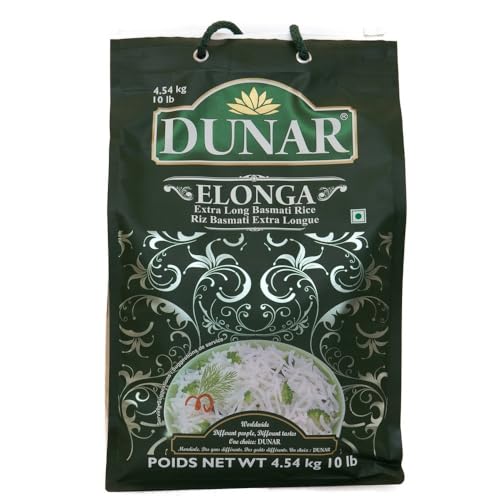
For an iranian rice dish with saffron to reach its full potential, basmati is the go-to grain:
- Long, Slender Grains: Basmati’s signature shape allows each kernel to remain distinct, offering both visual appeal and light texture.
- Aged Basmati: Seek out basmati that has been aged for at least a year. Its lower moisture content helps prevent stickiness while delivering a fluffier final result.
- Rinsing or Soaking: Excess starch can cause clumping, so rinse your rice under running water until it runs mostly clear. Alternatively, soak it for 30 minutes in lightly salted water for quicker, more even cooking.
Matching premium saffron with quality basmati is the first step in creating the layered flavors and soft-but-separate texture that define a masterful Persian rice dish.
Essential Preparations: Soaking and Parboiling
Before transferring everything into your cooker or pot, Persian cooks often soak and parboil their grains. This tried-and-true method is especially helpful when you want a consistent iranian rice dish with saffron:
Soak
Submerge your rinsed basmati in salted water for half an hour. The salt seeps into the grains, boosting flavor from within. Soaking also helps each grain expand and cook uniformly.
Parboil
- Boil Water: In a large pot, bring water to a rolling boil, adding a teaspoon of salt.
- Add Rice: Stir in your soaked rice, letting it cook for around 4–6 minutes. Test a kernel; it should be slightly soft on the outside yet firm at the center.
- Drain: Immediately strain in a colander to halt the cooking process. A quick rinse under cool water can remove lingering starch on the surface.
Parboiling ensures your final dish maintains an airy top layer and a beautifully defined crust at the bottom—whether you’re using a traditional stovetop method or a specialized appliance.
The Role of Oil and Butter
A subtle yet impactful choice in crafting an iranian rice dish with saffron is the type of fat you employ:
- Vegetable Oil: Delivers a neutral flavor, allowing saffron to shine fully.
- Butter or Ghee: Adds richness and a luxurious aroma, further enhancing the delicacy of your saffron-infused grains.
- Oil-Butter Blend: Mixing the two can yield a balance of heightened flavor and a higher smoke point, useful if you’re forming a crispy tahdig base.
No matter which option you choose, use just enough to lightly coat the bottom of the pot or cooker. An excessive amount risks an oily texture, while too little may lead to sticking or uneven browning.
Step-by-Step Assembly and Cooking
Once your ingredients are ready—parboiled rice, saffron-infused water, and your chosen fat—follow this method for a flawless iranian rice dish with saffron:
Oil the Pot
Coat the bottom of your cooking vessel (or rice cooker’s inner pot) with 2–3 tablespoons of oil or melted butter. Spread it evenly to avoid hot spots.
Layer the Rice
- Base Layer: Optionally, mix a ladleful of rice with some saffron liquid or a touch of yogurt, then spoon it into the pot. This forms a vibrant bottom layer that can crisp into a gentle tahdig.
- Remaining Rice: Gently heap the rest of the parboiled rice on top, taking care not to press it down. Steaming requires room for heat to circulate.
Drizzle Saffron
Use the saffron-infused water to marinate a cup or so of rice. Then place this saffron-tinted portion in scattered patches throughout the top. This method ensures a marbled effect when you serve.
Steam
- Stovetop: Cover the pot with a lid wrapped in a clean towel. Cook on medium-high heat for about 5 minutes, then reduce to low for 30–40 minutes.
- Rice Cooker: If you own a model recommended by Expert Reviews Best Rice Cooker, select the appropriate setting (white rice, crisp, or a specialized Persian mode). Let the appliance handle timing and temperature.
The Aroma Test
As the rice cooks, you’ll note a toasty aroma from the bottom layer. Resist the urge to open the lid repeatedly; holding in steam is crucial for a tender top layer and crisp base.
Flipping for the Final Flourish
The culmination of a perfectly executed iranian rice dish with saffron often involves flipping the pot or cooker’s inner container onto a serving platter:
Rest Momentarily
Switch off the heat and let the rice sit undisturbed for a minute or two. This pause helps the bottom layer release more cleanly.
Secure the Plate
Choose a wide serving plate, preferably larger than the pot’s diameter. Holding the pot and plate firmly together, invert them in one steady motion.
Behold the Tahdig
Lift the pot gently. If done correctly, you’ll reveal an eye-catching golden crust resting atop fluffy saffron-speckled rice.
Although the flipping step can be nerve-wracking for beginners, practice quickly instills confidence. That first glimpse of a crisp, saffron-hued tahdig is well worth the effort.
Serving Suggestions and Accompaniments
When your iranian rice dish with saffron is ready, consider pairing it with complementary Persian staples:
- Khoresht (Stews): Ghormeh Sabzi (herb stew) or Fesenjan (pomegranate walnut stew) provide hearty, tangy contrasts to saffron’s subtle sweetness.
- Kebabs: Charbroiled chicken, lamb, or beef skewers deliver smoky undertones that harmonize beautifully with saffron-laced grains.
- Yogurt Dips: Mast-o-khiar (cucumber-yogurt) or mast-o-musir (shallot-yogurt) add refreshing acidity to your plate.
- Sabzi Khordan: A platter of fresh herbs like basil, mint, and tarragon enlivens each bite, balancing the richness of the rice and stew.
Feel free to garnish your final presentation with a sprinkle of toasted nuts, barberries, or pomegranate seeds for color and flavor contrast.
Troubleshooting and Tips
Even the most seasoned cooks occasionally face minor hiccups when aiming for the perfect iranian rice dish with saffron:
- Soggy Bottom: Reduce the initial liquid or let the dish steam a bit longer with the lid partially uncovered near the end.
- Pale Crust: Increase the fat slightly or extend the final cooking phase to intensify browning—just be careful not to scorch.
- Excessive Stickiness: Confirm you rinsed and soaked the rice thoroughly, discarding all starchy water.
- Uneven Flavor: Ensure the saffron water is well integrated, drizzling it over different sections rather than one spot.
A bit of experimentation with heat levels, timing, and saffron quantity goes a long way. Over time, you’ll develop the intuition to tailor each aspect of the recipe to your taste.
A Note on Presentation
Persian cuisine often emphasizes beauty in plating. When you flip the rice onto a dish, a radiant saffron crust steals the spotlight. Arrange extra saffron-tinted grains, toasted nuts, or fresh herbs around the edges to create a captivating centerpiece that resonates with the culture’s deep-rooted sense of hospitality.
Furthermore, slight variations in shading—some areas darker than others—add character. Rather than worrying about uniformity, embrace these natural differences, reminding guests this is a homemade feast imbued with the warmth and care of a Persian household.
Frequently Asked Questions (FAQ’s)
Question: Why is saffron an essential ingredient in Iranian rice dishes?
Answer: Saffron is the signature spice in Iranian cuisine, known for its rich aroma, deep golden hue, and delicate floral taste. It enhances the visual appeal of Persian rice while adding a subtle yet luxurious flavor. A small amount of saffron goes a long way, making it a prized ingredient in traditional Iranian cooking.
Question: What type of rice is best for making Iranian saffron rice?
Answer: Long-grain basmati rice is the best choice due to its ability to stay fluffy and separate when cooked. Aged basmati rice is even better, as it absorbs saffron and butter more effectively, resulting in an aromatic and visually stunning dish.
Question: How should rice be prepared before cooking?
Answer: To ensure perfect texture, rinse the rice under cold water until the water runs clear to remove excess starch. This prevents clumping and ensures the grains remain light and fluffy. Soaking the rice in salted water for at least 30 minutes to an hour helps the grains expand and cook evenly.
Question: What is the best method for preparing saffron for Persian rice?
Answer: To extract the full flavor and color of saffron, grind the threads into a fine powder using a mortar and pestle. Then, dissolve it in hot water or warm milk and let it steep for a few minutes. This saffron infusion can be drizzled over the rice to create a beautifully golden-tinted layer.
Question: How do you cook the rice to achieve the perfect texture?
Answer: First, parboil the soaked rice by bringing a large pot of water to a rolling boil and adding a generous amount of salt. Cook the rice for 5–7 minutes, stirring occasionally, until the grains are slightly soft but still firm in the center. Drain and rinse with cold water to stop the cooking process.
Question: How is saffron used in layering Persian rice?
Answer: Once the rice is drained, return the pot to the stove and add oil, butter, or ghee. Pour a small amount of the saffron-infused liquid over the base for added aroma and color. Layer the rice back into the pot, mounding it gently to allow steam to circulate. For a decorative effect, set aside a portion of the rice and mix it with extra saffron water before serving to create a vibrant golden topping.
Question: What is the proper technique for steaming Iranian saffron rice?
Answer: Cover the pot with a towel-wrapped lid to trap steam and absorb excess moisture. Let the rice steam on low heat for 30–45 minutes, allowing the flavors to meld while the grains become fluffy. This slow steaming also helps form a crispy tahdig if enough oil or butter is used at the base of the pot.
Question: How do you serve Persian saffron rice for the best presentation?
Answer: Once the rice is fully steamed, gently fluff it with a fork to release excess steam. If a tahdig has formed, carefully invert the pot onto a plate to reveal the crispy golden crust. Garnish with barberries, slivered almonds, or pistachios for added elegance. The saffron-infused portion of the rice can be placed on top for a visually striking contrast.
Question: What are common mistakes to avoid when making saffron rice?
Answer: Using too little saffron can result in a lack of color and flavor, while too much can make the dish overly intense and bitter. Not rinsing the rice properly before cooking can lead to sticky or clumped grains. Overcooking or adding too much water during boiling can cause mushy rice, so timing is crucial.
Question: How can you enhance the flavor of Iranian saffron rice?
Answer: For added depth, melt butter with saffron water and drizzle it over the rice before steaming. Some recipes include rose water for a floral undertone or mix in caramelized onions and barberries for a sweet and tangy flavor balance. Pairing the rice with grilled meats, kebabs, or stews enhances the overall dining experience.
Conclusion
In essence, preparing an iranian rice dish with saffron blends simple ingredients—basmati rice, saffron, and a hint of oil—into a vibrant, flavorful masterpiece. The key lies in balancing texture, aroma, and color while following each stage with patience and attention to detail. Leveraging reliable equipment—such as the specialized cookers applauded by Expert Reviews Best Rice Cooker—makes the process smoother, whether you’re a seasoned home chef or an eager beginner. By mastering soaking, parboiling, layering, and that dramatic final flip, you’ll consistently produce a saffron-infused delight that dazzles both the eye and palate. Embrace the trial and error, relish the aroma of saffron blooming, and look forward to unveiling a steaming platter of perfectly golden rice that celebrates the very heart of Persian cuisine.