
Discover Rice Cooker Sizes in Litres with our 2025 guide. Find the perfect capacity for your kitchen, from small families to large gatherings.
As an Amazon Associate I earn from qualifying purchases.
When it comes to preparing perfectly cooked rice, choosing the right rice cooker size in litres is more than just a matter of convenience—it’s the key to avoiding waste, ensuring even cooking, and matching your lifestyle or business needs. Whether you’re a solo diner, a growing family, or a commercial kitchen operator, the size of your rice cooker directly impacts portion output, cooking efficiency, and even taste.
Unlike cup-based measurements—which vary between uncooked and cooked rice—litre-based sizing offers a more universal standard, helping buyers across the globe make smarter, more accurate decisions. Still, confusion often arises: What does a 1-litre cooker actually serve? How much rice can you prepare in a 5-litre model? This guide breaks it all down with practical charts, real-world examples, and tips to help you select the ideal rice cooker for your needs.
➡️ Discover more about rice cookers in our main buying guide and see which size is best suited for your kitchen setup.
———
Table of Contents
———
…
Why Size Matters in Rice Cooking
The size of your rice cooker isn’t just about quantity—it directly influences cooking quality, energy efficiency, and long-term performance. Choosing the wrong size can lead to undercooked or mushy rice, unnecessary food waste, or even damage to the cooker itself due to overfilling or underuse.
✅ Portion Control & Serving Needs
A small 1.5-litre cooker is perfect for one or two people, but try feeding a family of six with it, and you’ll be cooking in multiple batches. On the flip side, using a 10-litre cooker to make just one cup of rice can lead to uneven results and wasted electricity.
✅ Cooking Performance
Rice cookers are engineered to perform best when filled close to their recommended capacity. Too much empty space or overcrowding can interfere with temperature regulation and steam circulation—affecting the fluffiness and texture of the rice.
✅ Space & Storage Considerations
Compact kitchens or dorm rooms benefit from small-size cookers, while restaurants or catering services need larger units to handle high-volume cooking without repeat cycles.
✅ Recipe Flexibility
The right size gives you room to get creative. Want to try rice-based one-pot meals like congee, paella, or biryani? A mid-size to large cooker offers the versatility to expand beyond plain white rice.
✅ Longevity of Your Appliance
Using a rice cooker within its optimal fill range helps preserve its non-stick coating, heating element, and lid seals—ensuring your appliance stays in top shape for years.
In short, getting the right size in litres means better rice, smarter cooking, and a happier kitchen—whether you’re cooking for one or one hundred.
More Models We Cooked With and Evaluated

No products found.
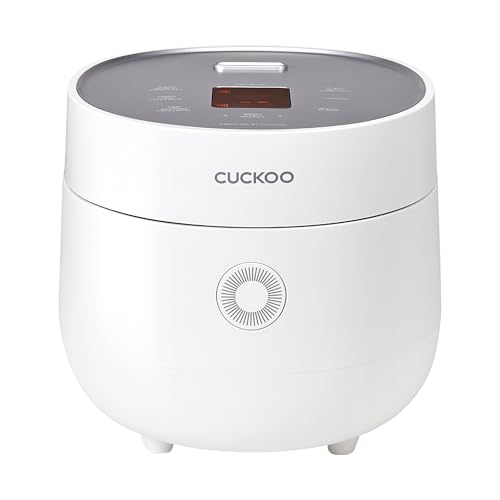
No products found.
Metric vs. Cup Measurements: The Confusion Explained
One of the biggest challenges buyers face when choosing a rice cooker is understanding how litres and cups compare. While many manufacturers advertise rice cookers in litres, recipes and product descriptions often refer to cups—but not all cups are created equal.
? What Is a “Cup” of Rice?
In rice cooking, the term “cup” usually refers to the standard rice measuring cup provided with the cooker. This is not a full metric cup (250 ml), but rather approximately 180 ml, also known as a “go” in Japanese measurements. This causes confusion when comparing cooker capacities with your usual kitchen measuring tools.
| Measurement Type | Volume |
| Standard Metric Cup | 250 ml |
| Rice Cooker Measuring Cup | 180 ml (approx.) |
| 1 Litre (metric) | ~5.5 rice cups |
? Why It Matters
Let’s say a rice cooker is labeled as 1.8 litres. That might seem small until you realize it equates to around 10 rice cooker cups of uncooked rice, which yields up to 20 cups cooked—enough for 5 to 6 people, depending on portion size.
⚠️ Variations by Region and Brand
- Japanese and Korean brands typically use the 180 ml “go” standard.
- American brands may use a full 240 ml cup.
- Some commercial cookers are listed in litres only, requiring users to estimate based on dry rice-to-water ratios.
✅ Why Litres Offer a Universal Standard
While cup measurements vary by manufacturer, litre capacity remains consistent across regions. It provides a dependable base to compare models, understand real volume, and make sure the cooker matches your portion needs—whether you’re cooking 1 cup or 100.
? Pro Tip: Always check whether a rice cooker’s “cup” capacity refers to uncooked or cooked rice, as this drastically impacts how much you can actually prepare.
Quick Size Chart: Rice Cooker Litres vs Cup Capacity
Understanding how litres translate to rice cooker cup capacity is essential when choosing the right model. Since rice cooker sizes are often listed in litres while recipes and product descriptions refer to cups, this handy chart will help you decode both.
? Rice Cooker Litres to Cups Conversion Table
| Rice Cooker Size (Litres) | Uncooked Rice (Rice Cooker Cups) | Cooked Rice Yield (Approx. Cups) | Serves (People) |
| 0.5 L | 2–3 cups | 4–6 cups | 1–2 persons |
| 1.0 L | 5–6 cups | 10–12 cups | 2–3 persons |
| 1.5 L | 8–9 cups | 16–18 cups | 3–4 persons |
| 2.0 L | 10–11 cups | 20–22 cups | 4–5 persons |
| 3.0 L | 15–17 cups | 30–34 cups | 6–8 persons |
| 4.0 L | 20–22 cups | 40–44 cups | 8–10 persons |
| 5.0 L | 25–28 cups | 50–56 cups | 10–12 persons |
| 6.0 L | 30–33 cups | 60–66 cups | 12–15 persons |
| 8.0 L | 40–45 cups | 80–90 cups | 16–20 persons |
| 10.0 L | 50–56 cups | 100–112 cups | 20–25 persons |
| 12.0 L | 60–67 cups | 120–134 cups | 25–30 persons |
| 20.0 L | 100–112 cups | 200–224 cups | 40–50+ persons |
? Notes:
- Uncooked Rice: Based on standard 180 ml rice cooker cups.
- Cooked Yield: Rough estimate. Actual output may vary by rice type and water ratio.
- Serves: Based on typical serving size of 1–1.5 cups cooked rice per person.
? Tip: For catering, restaurant use, or meal prepping, always consider going one size up to ensure buffer space and optimal cooking.
Litres to Cups Conversion Table for Rice Cookers
If you’re shopping for a rice cooker and wondering how litres convert to cups, this litres-to-cups chart is your go-to reference. It helps you estimate how much uncooked rice each rice cooker size can handle using the standard 180 ml rice cooker measuring cup.
? Rice Cooker Litres to Cups Chart
| Rice Cooker Size | Litres | Uncooked Rice (Cups) | Cooked Rice (Approx. Cups) |
| Extra Small | 0.5 L | 2–3 cups | 4–6 cups |
| Small | 1.0 L | 5–6 cups | 10–12 cups |
| Compact | 1.5 L | 8–9 cups | 16–18 cups |
| Medium | 2.0 L | 10–11 cups | 20–22 cups |
| Medium-Large | 3.0 L | 15–17 cups | 30–34 cups |
| Large | 4.0 L | 20–22 cups | 40–44 cups |
| Extra Large | 5.0 L | 25–28 cups | 50–56 cups |
| Family/Party Size | 6.0 L | 30–33 cups | 60–66 cups |
| Restaurant Use | 8.0 L | 40–45 cups | 80–90 cups |
| Heavy-Duty Catering | 10.0 L | 50–56 cups | 100–112 cups |
| Industrial Use | 12.0 L | 60–67 cups | 120–134 cups |
| Commercial Max | 20.0 L | 100–112 cups | 200–224 cups |
? Important Conversion Notes:
- 1 rice cooker cup = ~180 ml, not a standard kitchen cup (250 ml).
- 1 litre = ~5.5 rice cooker cups (uncooked).
- Cooked rice output is generally double the amount of uncooked rice.
- Actual yield can vary based on rice type and water ratio used.
✅ Use this chart to match the right rice cooker size to your household, event, or business needs.
How Many People Each Rice Cooker Size in Litres Serves
Choosing the right rice cooker size starts with one key question: “How many people am I cooking for?” Below is a breakdown of rice cooker sizes in litres and how many people they typically serve, based on average rice consumption (1–1.5 cups of cooked rice per person per meal).
?️ Rice Cooker Size Guide: Litres vs. Number of People
| Rice Cooker Size (Litres) | Uncooked Rice (Cups) | Cooked Rice Output | Ideal For (Number of People) |
| 0.5 L | 2–3 cups | 4–6 cups | 1–2 people (solo, student, travel use) |
| 1.0 L | 5–6 cups | 10–12 cups | 2–3 people (small family or couple) |
| 1.5 L | 8–9 cups | 16–18 cups | 3–4 people (everyday family meals) |
| 2.0 L | 10–11 cups | 20–22 cups | 4–5 people (family with guests) |
| 3.0 L | 15–17 cups | 30–34 cups | 6–8 people (large families, batch cooking) |
| 4.0 L | 20–22 cups | 40–44 cups | 8–10 people (dinner parties, prep ahead) |
| 5.0 L | 25–28 cups | 50–56 cups | 10–12 people (extended families) |
| 6.0 L | 30–33 cups | 60–66 cups | 12–15 people (big gatherings) |
| 8.0 L | 40–45 cups | 80–90 cups | 16–20 people (events, small restaurants) |
| 10.0 L | 50–56 cups | 100–112 cups | 20–25 people (banquets, group homes) |
| 12.0 L | 60–67 cups | 120–134 cups | 25–30 people (institutions, catering) |
| 20.0 L | 100–112 cups | 200–224 cups | 40–50+ people (restaurants, weddings) |
? Quick Tips:
- Household Use: Go for a 1L–2L cooker for up to 5 people.
- Batch Cooking: A 3L–4L cooker is great for cooking extra for freezing or meal prep.
- Commercial/Group Cooking: Sizes above 5L are ideal for businesses or events.
? Rule of Thumb: 1 cup (180 ml) of uncooked rice yields ~2 cups cooked and feeds 1–1.5 people.
1 to 1.5 Litre Rice Cookers
If you’re cooking for yourself or a small household, 1 to 1.5 litre rice cookers are compact, efficient, and surprisingly versatile. These sizes are designed to handle just the right amount of rice for 1 to 4 people, making them ideal for daily meals without overdoing it.
? Capacity Overview
| Rice Cooker Size | Uncooked Rice | Cooked Rice | Serves |
| 1.0 L | 5–6 cups | 10–12 cups | 2–3 people |
| 1.5 L | 8–9 cups | 16–18 cups | 3–4 people |
✅ These capacities are based on the standard 180 ml rice cooker measuring cup.
? Ideal For
- Solo eaters, couples, and small families
- Students and dormitory cooking
- Compact kitchens, RVs, and small apartments
- People who cook fresh rice daily
? What You Can Cook
Despite their size, these units are capable of more than just plain rice. Most 1–1.5L cookers can handle:
- White and brown rice
- Quinoa, couscous, and lentils
- Porridge or congee (perfect for breakfast)
- Steamed veggies (if equipped with a tray)
- One-pot meals like rice + curry or rice + soup
? Top Features to Look For
- Keep Warm Function (4–6 hrs)
- Non-stick Inner Pot for easy cleaning
- One-Touch Operation (beginner-friendly)
- Steaming Tray (optional but helpful)
- Compact Footprint for limited counter space
?️ Who Should Buy It
Choose a 1 to 1.5 litre rice cooker if:
- You cook rice frequently in small amounts
- You don’t want to waste rice or storage space
- You value quick cooking and fast cleanup
- You live alone or with 1–3 other people
? A great entry point for anyone new to rice cookers, or for those who want a secondary cooker for different grains or dietary needs.
2 to 3 Litre Rice Cookers
2 to 3 litre rice cookers strike the perfect balance between compactness and versatility, making them a top choice for small families, couples who meal prep, and home cooks who want more variety in their rice dishes. Whether you’re cooking dinner for four or preparing a week’s worth of grains, this size range gives you flexibility without taking up too much space.
? Capacity Overview
| Rice Cooker Size | Uncooked Rice | Cooked Rice Output | Ideal For |
| 2.0 L | 10–11 cups | 20–22 cups | 4–5 people |
| 2.5 L | 12–14 cups | 24–28 cups | 5–6 people (medium meals) |
| 3.0 L | 15–17 cups | 30–34 cups | 6–8 people or batch cooking |
?️ Based on 180 ml rice cooker measuring cups.
? Best For
- Small to medium families
- Couples who cook in bulk and store rice for later
- Home cooks experimenting with recipes like biryani, congee, or sticky rice
- Busy parents preparing multiple meals per day
? Meals & Functions to Expect
A 2–3 litre rice cooker usually has multi-functional presets and enough volume to accommodate:
- Steamed rice (white, brown, jasmine, basmati)
- Porridge or congee
- Rice and dal
- One-pot dishes (like rice with beans, chicken, or vegetables)
- Steamed vegetables or dumplings (with steamer tray)
- Slow-cooked grains or soups
⭐ Key Features to Look For
- Multi-cook settings: White rice, brown rice, porridge, quick cook, slow cook
- Delay Timer & Keep Warm Modes: Great for busy schedules
- Removable Nonstick Inner Pot: Easy to clean
- Smart Fuzzy Logic Control (in premium models): Adjusts cooking time and temperature automatically
? Why Choose a 2 to 3 Litre Cooker
- Ideal size for meal planning and multi-day cooking
- Versatile enough for entire meals in one pot
- Suitable for households with 4 to 6 people
- Great value for those who need more than just rice
✅ 2 to 3 litre rice cookers are a sweet spot for families who want convenience, capacity, and versatility—without investing in a massive commercial unit.
3.5 to 5 Litre Rice Cookers
When your household size or cooking habits demand more rice, more variety, and more efficiency, the 3.5 to 5 litre rice cooker category is where performance meets volume. These models are well-suited for larger families, weekly batch cooks, small events, or households that entertain frequently.
? Capacity Overview
| Rice Cooker Size | Uncooked Rice | Cooked Rice Output | Ideal For |
| 3.5 L | 18–20 cups | 36–40 cups | 7–8 people or batch cooking |
| 4.0 L | 20–22 cups | 40–44 cups | 8–10 people |
| 4.5 L | 23–25 cups | 46–50 cups | 9–11 people or light catering |
| 5.0 L | 25–28 cups | 50–56 cups | 10–12 people or large family use |
? Based on 180 ml rice measuring cups. Yields can vary with rice type and water ratios.
???? Perfect For
- Large families (6+ members)
- Meal preppers who store cooked rice for later use
- Family gatherings or dinner parties
- Dual-purpose usage: Cooking rice plus steaming proteins or vegetables
- Home chefs wanting room for one-pot meals like biryani, pilaf, or risotto
? What You Can Cook
This size range expands your culinary possibilities:
- Large batches of plain or seasoned rice
- Multigrain blends or specialty grains
- Stews, soups, and curries
- Sticky rice, Mexican rice, biryani, jambalaya
- Bulk congee or porridge for breakfast service
⭐ Recommended Features
- Multi-layer inner pot for even heat distribution
- Fuzzy logic or induction heating for advanced cooking control
- Dedicated presets for GABA brown rice, quick cook, steam, slow cook, cake, etc.
- Large LED display or touch panel
- Detachable lid & steam vent for easy cleaning
?️ Why Choose a 3.5 to 5 Litre Rice Cooker
- You need flexibility for both small and large servings
- You want to cook multiple meals in one go
- You often cook for guests, parties, or community events
- You have enough counter space and store-bought rice in bulk
✅ A 3.5 to 5 litre rice cooker is an excellent all-around solution for busy households who want the benefits of quantity without jumping into a full commercial-sized model.
6 to 10 Litre Rice Cookers
When you’re serving large families, hosting events, or cooking in a small commercial kitchen, 6 to 10 litre rice cookers offer the volume and efficiency you need. They’re ideal for high-volume meal prep, buffets, or batch cooking.
Capacity & Serving Guide
| Rice Cooker Size | Uncooked Rice (Approx.) | Cooked Rice Yield | Serves |
| 6.0 L | ~30 cups | ~60 cups | 12–15 people |
| 8.0–10.0 L | ~40–50 cups | ~80–100 cups | 15–25 people |
| Industrial 10 L+ | 40+ cups | 80+ cups | 20–30+ people (events or catering) |
- A 6 L cooker is commonly used in family gathering settings and caters to about 12–15 servings.
- The 8–10 L range is a popular choice for small-scale food service, delivering enough rice for 15 to 25 people in a single cook cycle.
- For true commercial needs, 10-litre+ cookers are built for continuous operation, perfect for buffets, catering, or event prep, and often serve 20 to 30+ people per batch.
Who Should Use This Size Range
- Large households that cook once for several smaller-meal sessions.
- Caterers, event planners, or community kitchens needing bulk cooking capabilities.
- Cafes, small restaurants, or banquet operations that require substantial daily rice output.
Cooking Capabilities & Functions
These models typically include:
- Multi-cook options: rice, porridge, steaming, even sauté or slow cooker features.
- Sturdy construction (e.g. heavy-duty aluminum or stainless steel) for durability.
- Keep-warm functions, often automatic.
- Steaming add-ons like trays or baskets for side dishes.
- Basic control panels, sometimes just a one-touch cook/warm operation for simplicity.
Considerations Before Buying
- Counter and storage space—these units require ample room.
- Energy use—designed for full loads; running them lightly may affect performance and efficiency.
- Minimum filling requirements—some models perform poorly below their optimal capacity.
Real-World Insight
From a cooking community:
“My $20, 6-cup Aroma rice cooker is great for cooking rice for one person… it’s just large enough to add vegetables and protein alongside the rice, without being overkill.”
— u/SaltyNoodles01
While this comment is about a smaller cooker, it highlights a useful principle: sufficiently spacious appliances allow one-pot flexibility—a feature that scales even more advantageously in the 6–10 L models.
Why These Sizes Excel
- Maximized efficiency for large-scale cooking.
- Versatility to prepare complete meals, not just rice.
- Proven durability, usually built with a commercial mindset.
- Batch cooking and storage, ideal for saving time throughout the week.
11 to 20+ Litre Commercial Rice Cookers
This category represents the upper end of rice cooker capacity—perfect for large institutions, event caterers, restaurants, or hospitality services catering to big crowds.
Capacity & Serving Guide
| Rice Cooker Size | Raw Rice Capacity | Cooked Rice Yield | Ideal For (Servings) |
| 11 L | ~25 cups | ~50 cups | 25–30 people (small hotels, large gatherings) |
| 15 L | ~30 cups | ~60 cups | 60–70 people (cafés, food trucks, community meals) |
| 20 L | – | ~96 cups | 90–100 people (buffets, banquet halls) |
Who Needs These Sizes?
- Large-scale caterers, banquet services, and wedding venues.
- Institutional kitchens like schools, community centers, or religious gatherings.
- Restaurants and hot-food vendors serving significant daily volume.
- Commercial operations needing both continuous cooking and extended warming.
Cooking Features & Capabilities
Cookers in this range typically include:
- Robust build with stainless steel or heavy-duty aluminum bodies.
- One-touch controls with automatic keep-warm functionality.
- Efficient heating systems—some even using 3D heat circulation or induction for uniform cooking.
- Large, removable non-stick inner pots for easier clean-up.
- Optional steam inserts or lid designs optimized for busy kitchens.
Practical Considerations
- Space Requirements: These are substantial units—check countertop or storage room before buying.
- Energy Usage: They’re most efficient when cooking to capacity; underfilling reduces performance.
- Complementary Equipment: For prolonged readiness, pairing with a commercial rice warmer is wise to preserve texture and safety.
- Durability & Maintenance: Seek models with NSF certification or commercial-grade warranties for long-term reliability.
Real-World Insight
Renowned restaurant operators appreciate simplicity and reliability:
“For our kitchen, the straightforward Zojirushi NYC-36—a 20‑cup commercial model—is perfect: it cooks and keeps warm, nothing else,” shares Chef Calvin Eng. Bon Appétit
This reflects a common commercial preference: focus on capacity, consistency, and durability over bells and whistles.
Summary Snapshot
- 11 L cooker – Great entry-level commercial model, serving ~25–30 people per batch.
- 15 L cooker – Ideal for mid-sized commercial needs, feeding ~60–70 servings efficiently.
- 20 L (or larger) cooker – Built for high-output scenarios, supporting nearly 100 servings at once.
Choosing the Right Size: Key Factors to Consider
Finding the perfect rice cooker isn’t just about how much rice it can cook—it’s about how well it fits your lifestyle, cooking habits, kitchen space, and even your long-term goals. Here are the most important factors to help you choose the right rice cooker size in litres with confidence.
?️ 1. Number of People You Regularly Cook For
This is the most obvious and essential factor:
- 1–2 people → 0.5 to 1.5 litre cooker
- 3–5 people → 1.5 to 3 litre cooker
- 6–10 people → 3.5 to 5 litre cooker
- 10+ people or commercial use → 6 to 20+ litre cooker
✅ Rule of Thumb: Each person typically consumes 1 to 1.5 cups of cooked rice per meal.
? 2. Types of Meals You Cook
Do you only cook plain rice? Or do you use your rice cooker for:
- One-pot meals like biryani or curry rice?
- Porridge, quinoa, or soups?
- Batch cooking and freezing meals?
If you want meal versatility beyond basic white rice, consider a slightly larger cooker (2L–3L or more) to give you space for add-ins, mixing, and steaming trays.
⏲️ 3. Frequency of Cooking
- Daily use: Go with a cooker that’s compact but efficient (1–2.5L).
- Occasional use for parties: A larger size (3.5L+) may be better.
- Meal preppers: Mid to large cookers (3–5L) help you cook in bulk and store.
? 4. Portion Control & Waste Avoidance
A huge cooker for one person often leads to:
- Overcooking
- Wasted rice
- Improper heat distribution
On the other hand, a small cooker for a big family leads to:
- Repeated cooking cycles
- Overfilling (risking burnt or uneven rice)
? Match the cooker’s litre capacity to your usual serving volume—not your maximum limit.
? 5. Storage Space in Your Kitchen
- Compact kitchens, dorms, or RVs need a space-saving 1–1.5L model.
- If you have more countertop or cabinet room, you can easily accommodate 3L+ models.
- Commercial kitchens typically dedicate a station or trolley for large 10–20L cookers.
? 6. Future-Proofing Your Purchase
Planning for:
- A growing family?
- Hosting frequent dinners?
- Starting a home food business?
Then invest in a slightly larger model (3.5L–5L or more) that grows with your needs, rather than having to upgrade in a few months.
? 7. Energy Efficiency
Rice cookers perform best when used at optimal capacity. Undersized or oversized usage can:
- Waste energy
- Extend cooking time
- Affect rice texture
Choose a model that closely matches your average batch size, not your absolute maximum.
?️ 8. Budget Considerations
- Smaller cookers are generally more affordable (under $50).
- Larger, multifunctional or commercial-grade models can range from $100–$400+.
- Prioritize quality and capacity over gimmicks—a reliable 2L cooker is more valuable than a cheap 5L one that burns rice.
? Final Tip: Use the litre-to-cup conversion chart in this article to visualize how much rice each cooker size makes, then compare it to your household needs.
Top Brands Offering a Wide Range of Rice Cooker Sizes
When shopping for a rice cooker, brand reputation, size selection, and functionality matter just as much as current and future needs. Several brands stand out for offering a broad range of models—from compact home use to commercial-grade capacity.
1. Zojirushi

A renowned Japanese brand celebrated for reliability and innovation, Zojirushi offers models spanning from small everyday units to induction-heating giants suitable for larger households or food service use. Their NP-HCC10 (5.5‑cup induction model) is praised as top-tier for consistency and performance. They also produce commercial-style models like the NYC‑36, popularly used in restaurant kitchens.
2. Tiger
Another respected Japanese manufacturer, Tiger delivers rugged rice cookers with vacuum insulation and advanced heat control. Their lineup includes compact models for home kitchens and larger units for families or small commercial use.
3. Cuckoo

From South Korea, Cuckoo Electronics is famous for high-pressure and Korean-style rice cookers with sophisticated cooking modes. Their offerings range from standard household sizes to multi-cup pressure cookers ideal for larger gatherings and specialty rice types.
4. Aroma Housewares
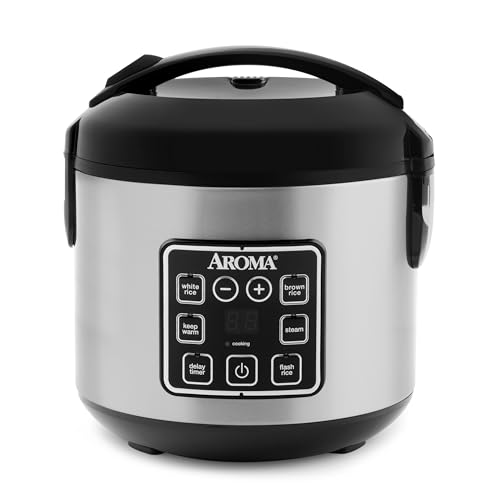
A leading U.S. brand, Aroma Housewares offers popular, budget-friendly rice cookers across various capacities—from small single-serving models to versatile mid-sized and pro-style units.
5. Instant Pot
No products found.
While primarily known for its multicookers, Instant Pot includes rice cooker functionality in many of its models. These units offer flexibility with capacities suitable for both small apartment kitchens and larger family needs.
6. KitchenAid

The KitchenAid Grain and Rice Cooker is a feature-rich model designed for precise grain cooking. It combines rice measurement technology and multiple presets, appealing to serious home cooks at mid-range sizes.
7. GreenLife, Hamilton Beach, and Budget-Friendly Lines
No products found.
Various brands like GreenLife, Hamilton Beach, and Aroma Mi offer compact, affordable rice cookers perfect for small households or students. These models often come at lower price points while meeting basic cooking needs.
Quick Brand-Model-Segment Reference
| Brand | Typical Size Range | Strengths |
| Zojirushi | 3 to 20+ cups / compact to commercial | Precision, innovation, reliability |
| Tiger | Small to mid-family sizes | Durable, insulated, efficient |
| Cuckoo | Household to large pressure cookers | Powerful, multi-mode cooking |
| Aroma | Mini to mid-range | Affordable, versatile, widely available |
| Instant Pot | Multi-size multicooker series | Multi-functionality, space-saving |
| KitchenAid | Mid-size advanced | Precision, programmable, user-friendly |
| GreenLife / Budget lines | Mini to small sizes | Cost-effective for basic needs |
Choosing the Right Brand for Your Needs
- For long-term reliability and advanced features like induction or fuzzy logic: Zojirushi and Tiger.
- For Korean-style or pressure-cooked rice: Cuckoo is widely favored.
- For budget or student-friendly options: Aroma, GreenLife, or Hamilton Beach offer excellent value.
- For versatility and multi-use capability: Instant Pot and KitchenAid stand out with their wide preset and cooking options.
Frequently Asked Questions (FAQ’s)
❓ Q. What does the “litre” size in a rice cooker actually mean?
A: The litre rating refers to the total internal volume of the rice cooker’s inner pot, not the amount of rice it can cook. For example, a 1.8L rice cooker doesn’t mean it can cook 1.8L of rice—it’s the pot’s physical capacity. The actual uncooked rice capacity is usually around 5–10 cups, depending on the model.
❓ Q. How many cups of rice does 1 litre hold?
A: Roughly, 1 litre equals about 5.5 standard rice cooker cups (180 ml each). This means:
1L = ~5.5 cups uncooked rice
1L = ~11 cups cooked rice
❓ Q. What size rice cooker do I need for 4 people?
A: A 1.5 to 2 litre rice cooker is ideal for 4 people. This size can cook enough uncooked rice (8–10 cups) to produce about 16–20 cups of cooked rice, which comfortably serves 4 average portions.
❓ Q. Is it okay to cook a small amount of rice in a large rice cooker?
A: It depends. Some larger models (5L and above) don’t perform well with small batches—they may dry out rice or heat unevenly. For best results, use a cooker at 50–80% of its capacity. If you frequently cook small portions, consider owning a second, smaller unit.
❓ Q. Do I need a commercial rice cooker for home use?
A: Only if you’re cooking for more than 10 people regularly or doing bulk meal prep. Otherwise, a standard 1.5L to 3L home rice cooker is more energy-efficient and space-saving.
❓ Q. What’s the difference between a 1 cup, 5 cup, and 10 cup rice cooker?
A: These refer to uncooked rice capacity in 180 ml rice cooker cups:
1 cup = feeds 1 person
5 cup = feeds 3–5 people
10 cup = feeds 6–10+ people
Litres are more universal, but cups are still commonly used by many brands, especially in Japan and Korea.
❓ Q. What size is best for batch cooking or meal prep?
A: A 3 to 5 litre rice cooker is ideal for batch cooking. It can produce 30–50 cups of cooked rice, which is excellent for freezing, meal prep, or hosting events.
❓ Q. How much space do larger rice cookers take up?
A: Large models (5L–10L+) can be bulky and heavy. Expect:
Footprint: 12″ to 18″ wide
Height: 10″ to 14″
Weight: Up to 20–25 lbs for commercial-grade units
Always measure your counter or storage area before buying.
Conclusion: Find the Rice Cooker Size That Fits Your Life
Choosing the right rice cooker size in litres isn’t just about numbers—it’s about matching the appliance to your real-world needs. Whether you’re cooking solo dinners in a 1-litre unit or preparing feasts for 30 guests with a 15-litre commercial model, the right size ensures better texture, less waste, and more enjoyment in every meal.
From compact 0.5L cookers for students to massive 20L commercial rice cookers for restaurants, there’s a perfect match out there. Use the litre-to-cup conversion charts, serving size guides, and brand breakdowns in this article to confidently choose the rice cooker that will serve you best—now and in the future.
? Still undecided?
➡️ Discover more about rice cookers — explore our expert reviews, product roundups, and buying guides at Expert Reviews Best Rice Cooker to find the perfect model for your kitchen.
References:
- Rice Cooker Capacity Guide — how to pick the right size in cups or litres
- How to Choose the Right Rice Cooker — detailed guide to cooker size and capacity
- Buyer’s Guide to Rice Cookers — explains litres vs cups and what size fits which household
- What a Rice Cooker “Cup” Means — why the 180 ml rice-cooker cup differs from a standard measuring cup
- General info on how rice cookers operate, including measuring cup standard and capacity labelling