

As an Amazon Associate I earn from qualifying purchases.
Rice is a staple in diets worldwide, but not all rice varieties are created equal. While white rice dominates the dinner table, health-conscious individuals are turning to alternatives like black rice and brown rice. But when it comes to choosing between these two nutritious options, which one is better for you? Understanding the benefits of black rice vs brown rice can help you make an informed decision.
In this article, we’ll explore the nutritional profiles and health advantages of both types of rice. With recommendations from Expert Reviews Best Rice Cooker, we’ll also discuss how to cook them to maximize their benefits.
Most Recommended Premium Black Rice
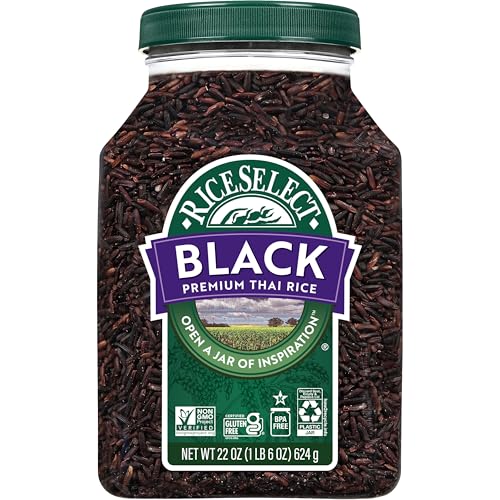
Most Recommended Brown Rice

———
Table of Contents
———
…
A Quick Overview of Black Rice and Brown Rice
Before diving into the benefits of black rice vs brown rice, let’s understand their differences:
- Black Rice: Also known as forbidden rice, black rice is rich in antioxidants, particularly anthocyanins, which give it its deep purple hue. It has a nutty flavor and a slightly chewy texture.
- Brown Rice: Brown rice is a whole grain with its bran and germ intact, making it more nutritious than white rice. It has a mild, earthy flavor and is widely recognized for its fiber content.
Both types of rice are healthier alternatives to white rice, but their specific benefits vary.
1. Antioxidant Content: Black Rice Wins
When comparing the antioxidant content, black rice takes the lead. Its deep purple color is due to anthocyanins, powerful antioxidants that combat free radicals and reduce oxidative stress. These antioxidants help lower the risk of chronic diseases such as cancer, heart disease, and diabetes.
Brown rice, while nutritious, lacks significant antioxidant properties. If you’re looking for a rice variety that offers added protection against cellular damage, black rice is the better choice.
2. Fiber Content: Brown Rice Takes the Crown
Both black rice and brown rice are excellent sources of dietary fiber, but brown rice has a slight edge in this category. Fiber is crucial for digestive health, as it promotes regular bowel movements and supports a healthy gut microbiome.
Black rice is also rich in fiber, making it a strong contender, but if fiber intake is your primary concern, brown rice might be the better option.
3. Heart Health: Both Are Excellent Choices
When it comes to supporting heart health, both black rice and brown rice are strong contenders.
- Black Rice: The anthocyanins in black rice help reduce LDL (bad cholesterol) and improve HDL (good cholesterol), promoting better cardiovascular health.
- Brown Rice: Brown rice contains high levels of magnesium and fiber, which are known to reduce the risk of heart disease by regulating blood pressure and improving arterial function.
Ultimately, both types of rice are heart-healthy options. Your choice may depend on your preference for antioxidant support (black rice) or fiber and magnesium intake (brown rice).
4. Blood Sugar Regulation: Black Rice Is Better
For those managing diabetes or blood sugar levels, black rice is the superior choice. Its low glycemic index ensures a slow release of glucose into the bloodstream, preventing sudden spikes and crashes.
Brown rice also has a lower glycemic index than white rice, but it doesn’t match the stability that black rice provides. If blood sugar regulation is your priority, black rice is the better option.
5. Nutrient Density: Black Rice Leads
Black rice is a nutrient powerhouse, offering higher levels of protein, iron, and antioxidants compared to brown rice. These nutrients contribute to improved immunity, better oxygen transport in the body, and enhanced overall health.
While brown rice is also nutritious, it doesn’t offer the same concentration of antioxidants and protein as black rice. For those seeking maximum nutrient density, black rice is the clear winner.
6. Weight Management: A Close Tie
Both black rice and brown rice are excellent for weight management due to their high fiber content, which promotes satiety and reduces overeating.
- Black Rice: The added protein in black rice provides sustained energy, making it a good option for active individuals.
- Brown Rice: Its high fiber content makes brown rice effective in curbing hunger and promoting digestive health.
Both types of rice are suitable for weight-conscious individuals, and your choice may depend on taste and specific nutritional preferences.
7. Cooking Time and Texture: Brown Rice Is Easier
In terms of cooking, brown rice is more forgiving and versatile. Its mild flavor and shorter cooking time make it a practical choice for everyday meals.
Black rice requires more time to cook and has a chewier texture, which may not appeal to everyone. However, using a high-quality rice cooker, as recommended by Expert Reviews Best Rice Cooker, ensures perfect results for both varieties.
How to Cook Black Rice and Brown Rice
Cooking black rice and brown rice correctly is crucial to retaining their nutrients and flavor. Here’s a simple guide for each:
Black Rice:
- Rinse black rice thoroughly to remove excess starch.
- Use a water-to-rice ratio of 2:1.
- Cook for about 30-40 minutes, or until the grains are tender.
- Let it rest for 10 minutes before serving.
Brown Rice:
- Rinse brown rice under cold water.
- Use a water-to-rice ratio of 2:1.
- Cook for 25-30 minutes, or until the grains are tender.
- Fluff with a fork before serving.
A rice cooker from Expert Reviews Best Rice Cooker can simplify the cooking process and ensure consistent results every time.
Benefits of Black Rice Vs Brown Rice
Here’s a comparison table highlighting the benefits of black rice vs. brown rice:
| Feature | Black Rice | Brown Rice |
| Color | Deep purple/black due to high anthocyanin content. | Light brown with an intact bran layer. |
| Antioxidants | High in anthocyanins, powerful antioxidants that combat free radicals and oxidative stress. | Minimal antioxidant content compared to black rice. |
| Fiber | Rich in fiber, supports digestion and gut health. | Higher in fiber than black rice, promoting digestive regularity and satiety. |
| Protein | Higher protein content, supports muscle repair and sustained energy. | Moderate protein content, suitable for general energy needs. |
| Heart Health | Reduces bad cholesterol (LDL) and increases good cholesterol (HDL) due to anthocyanins. | Regulates blood pressure and improves arterial function with magnesium and fiber. |
| Blood Sugar Regulation | Low glycemic index ensures gradual glucose release and stable blood sugar levels. | Also has a low glycemic index but less effective than black rice for blood sugar control. |
| Weight Management | High protein and fiber content promote fullness and sustained energy. | High fiber content curbs hunger and reduces overeating. |
| Digestive Health | Supports gut health with fiber, though slightly less than brown rice. | Superior for digestive health due to higher fiber content. |
| Nutrient Density | Higher in iron, zinc, and antioxidants, making it more nutrient-dense. | High in magnesium and fiber but less nutrient-dense than black rice. |
| Detoxification | Rich in antioxidants, supports liver function and detoxification. | Limited detoxifying properties compared to black rice. |
| Skin Health | Promotes glowing skin with vitamin E and anthocyanins, which combat aging. | Offers minimal skin benefits compared to black rice. |
| Cooking Time | Takes longer to cook (30–40 minutes) with a chewier texture. | Cooks faster (25–30 minutes) and has a softer texture. |
| Flavor | Nutty, earthy flavor with a slightly sweet undertone. | Mild, earthy flavor that pairs well with a variety of dishes. |
| Best For | Those seeking antioxidants, nutrient density, and blood sugar regulation. | Those prioritizing digestive health, fiber, and a versatile, easy-to-cook grain. |
Key Takeaway
Both black rice and brown rice offer significant health benefits, but the choice depends on your dietary goals:
- Choose Black Rice: If you want antioxidants, better blood sugar control, and nutrient density.
- Choose Brown Rice: If you need more fiber for digestive health and prefer a quicker cooking option.
Which One Should You Choose?
The choice between black rice and brown rice ultimately depends on your health goals and taste preferences:
Choose Black Rice If:
- You want higher antioxidant content.
- You are focused on regulating blood sugar levels.
- You prioritize nutrient density and protein intake.
Choose Brown Rice If:
- You want a more versatile, mild-tasting grain.
- You prioritize fiber for digestive health.
- You need a quicker cooking option.
Most Recommended Premium Black Rice
Most Recommended Brown Rice
Frequently Asked Questions (FAQ’s)
Question: What are the key differences between black rice and brown rice?
Answer: Black rice, also known as forbidden rice, is rich in anthocyanins, antioxidants responsible for its dark purple color and unique health benefits. It offers high protein, iron, and antioxidant levels. Brown rice, on the other hand, is a whole grain with its bran and germ intact, making it rich in fiber and magnesium. It has a mild flavor and is easier to cook than black rice.
Question: Which rice has higher antioxidant content?
Answer: Black rice has significantly higher antioxidant content due to its anthocyanins. These antioxidants combat free radicals, reduce oxidative stress, and lower the risk of chronic diseases such as cancer and heart disease. Brown rice, while nutritious, lacks the same level of antioxidant activity.
Question: Which rice is better for heart health?
Answer: Both black rice and brown rice support heart health, but in different ways:
Black Rice: Anthocyanins in black rice help reduce LDL (bad cholesterol) and improve HDL (good cholesterol), promoting cardiovascular health.
Brown Rice: Brown rice contains magnesium and fiber, which regulate blood pressure and improve arterial function.
Both are excellent for heart health, but black rice has the added benefit of antioxidants.
Question: Which rice is better for regulating blood sugar levels?
Answer: Black rice is better for blood sugar regulation due to its low glycemic index, which ensures a slow release of glucose into the bloodstream. This helps prevent spikes and crashes in blood sugar levels. Brown rice also has a lower glycemic index compared to white rice but doesn’t offer the same stability as black rice.
Question: Which rice is more suitable for weight management?
Answer: Both black rice and brown rice are good for weight management:
Black Rice: Its higher protein content provides sustained energy and promotes muscle repair.
Brown Rice: Its high fiber content promotes satiety, reducing hunger and overeating.
Both are effective choices, and the decision may come down to taste preference.
Question: Which rice offers better digestive health benefits?
Answer: Brown rice has a slight edge in digestive health due to its higher fiber content, which promotes regular bowel movements and supports a healthy gut microbiome. However, black rice also supports gut health, with fiber content that aids digestion and feeds beneficial gut bacteria.
Question: Which rice is more nutrient-dense?
Answer: Black rice is more nutrient-dense, offering higher levels of protein, iron, and antioxidants. These nutrients contribute to immunity, better oxygen transport, and overall vitality. Brown rice is also nutritious, particularly in its fiber and magnesium content, but black rice provides a broader range of benefits.
Question: Which rice is easier to cook?
Answer: Brown rice is easier to cook, with a shorter cooking time and a milder flavor that pairs well with a variety of dishes. Black rice requires more time and has a chewier texture, which may not appeal to everyone. Using a rice cooker, like those recommended by Expert Reviews Best Rice Cooker, can simplify cooking both types of rice.
Question: How do black rice and brown rice compare in terms of flavor?
Answer: Black rice has a nutty, earthy flavor with a slightly sweet undertone and a chewy texture. Brown rice has a mild, earthy flavor and a softer texture, making it more versatile for a wide range of dishes.
Question: Which rice should you choose based on your health goals?
Answer:
Choose Black Rice If: You prioritize antioxidants, blood sugar regulation, and nutrient density.
Choose Brown Rice If: You need more fiber, prefer a quicker cooking option, or want a milder flavor for everyday meals.
Conclusion
When comparing the benefits of black rice vs brown rice, both options offer unique advantages that cater to different health needs. Black rice stands out for its antioxidant properties, nutrient density, and blood sugar regulation, while brown rice shines in fiber content, ease of preparation, and digestive support.
With tools like those recommended by Expert Reviews Best Rice Cooker, preparing either variety becomes a breeze, allowing you to enjoy their full nutritional potential. Whether you choose black rice, brown rice, or alternate between the two, both are excellent additions to a balanced and health-conscious diet. Start incorporating these superfoods into your meals today for a healthier lifestyle!
References
- Black rice overview and nutrition (Wikipedia)
- Brown rice as a whole grain and nutrient profile (Wikipedia)
- Rice nutrition and whole grain benefits – Harvard T.H. Chan School of Public Health (.edu)
- Health benefits and nutrients in black rice – WebMD
- Black rice vs brown rice health comparison – Times of India